Home Extension Builders Melbourne: Find the Best Contractors
Choosing the right home extension builders Melbourne is one of the most important decisions you’ll make for your renovation project. The difference between a skilled, reliable builder and an inexperienced one can cost you thousands of dollars and months of delays.
At Cameron Construction, we’ve seen homeowners make costly mistakes simply because they didn’t know what to look for. This guide walks you through exactly how to evaluate builders, avoid common pitfalls, and select a contractor who delivers quality results on time and on budget.
What Builders Need to Have in Place
Building Registration and Insurance Requirements
Building registration with the Building and Plumbing Commission is non-negotiable for any extension work in Melbourne. If a builder cannot show you their current registration number, walk away immediately. For work over $16,000, the builder must provide a current Certificate of Domestic Building Insurance before you pay a deposit or they start work, according to the Domestic Building Contracts Act 1995. This protects you if the builder becomes insolvent or abandons the project.
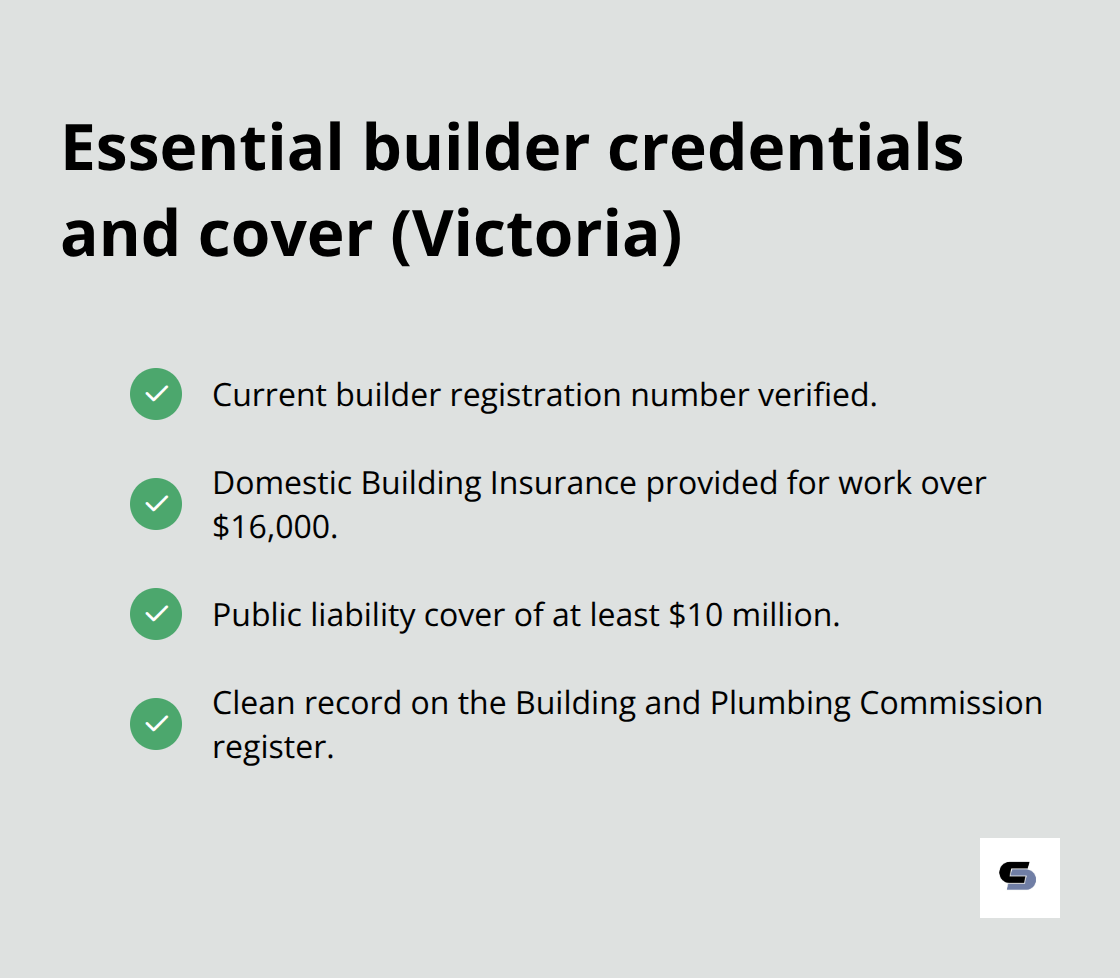
Ask to see the certificate of currency and verify it directly with the insurer-do not accept expired documentation. Public liability insurance matters equally; request a current certificate showing minimum cover of $10 million for major projects. Check that the builder’s registration is clean by searching the Building and Plumbing Commission website; look for any disputes or disciplinary actions that might indicate poor workmanship or financial problems.
Local Experience and Market Knowledge
A builder with 15+ years of Melbourne extension experience understands local council variations across suburbs like Fitzroy, Hawthorn, and Camberwell-each has different planning rules and building surveyor expectations. Experience matters because experienced builders anticipate problems before they occur, reducing costly delays and variations. They know which councils move quickly on permits and which ones request multiple revisions to plans. They also understand soil conditions in different areas, which affects foundation costs and construction timelines.
Portfolio and References Show Real Results
Review at least five completed projects similar in scope to yours-double storey additions, ground floor extensions, or heritage work if relevant. Call recent clients directly; ask specifically about budget adherence, timeline accuracy, and how the builder handled unexpected issues like poor soil conditions or council requests for changes. A builder who completes projects within 5–10% of the quoted timeline and budget performs above average in Melbourne’s market.
Request site photos at different construction stages, not just polished final images. Ask whether the builder uses in-house designers and engineers or subcontracts this work; having these resources in-house typically means faster problem-solving and better design integration. Check online reviews on Google and local forums, but weight recent feedback more heavily than older reviews-a builder’s quality can change significantly over time. If a builder refuses to provide references or portfolio details, that hesitation itself is a warning sign worth taking seriously.
Now that you understand what credentials and experience matter, the next step is learning what mistakes to avoid when you evaluate your shortlist.
Common Mistakes When Choosing Extension Builders
Price-Driven Decisions Lead to Budget Blowouts
The cheapest quote rarely delivers the best outcome. Many Melbourne homeowners select builders based solely on price, only to face budget blowouts when the project encounters soil conditions that require deeper footings, council requests for design changes, or structural issues hidden during demolition. A builder quoting $250,000 might seem attractive until variations push the final cost to $320,000-a 28% increase that domestic building insurance doesn’t cover if the variations fall outside the original scope.
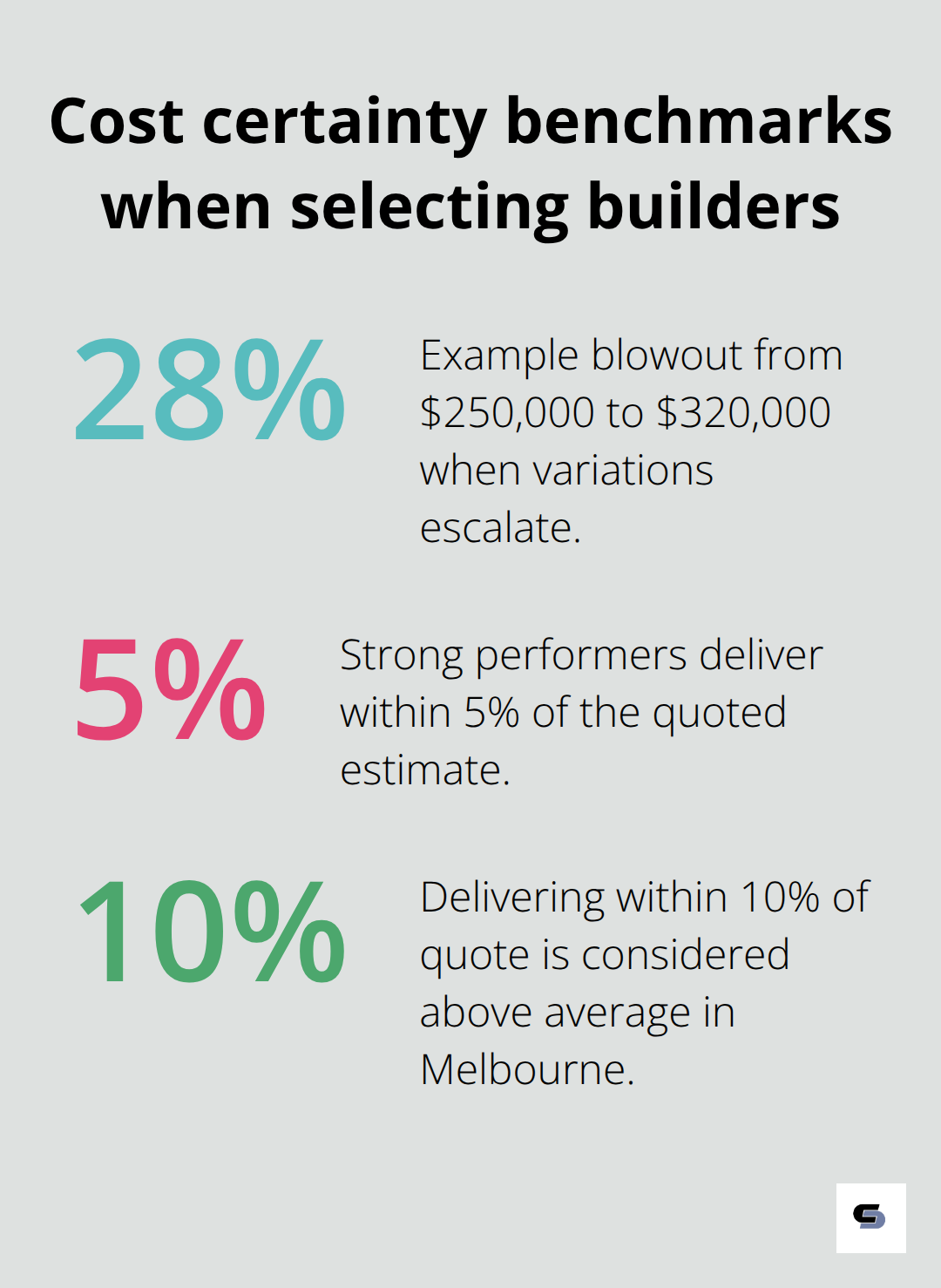
According to the Domestic Building Contracts Act 1995, a variation notice is used to change the contract. This administrative requirement exists precisely because cost blowouts occur when builders underquote to win work. A builder charging $280,000 but with a track record of delivering within 5% of the estimate offers far more certainty than one undercutting the market by 15%.
Ask each builder how they calculate their quote. Do they include contingency for soil reports, council permit variations, or structural surprises? Builders who itemise these costs transparently tend to deliver more predictable outcomes. Understanding how much a house extension really costs helps you identify realistic quotes from experienced contractors.
Overlooking Council and Permit Requirements
Ignoring council and permit requirements creates legal and financial chaos. Some homeowners assume their builder will handle all planning and building permits, only to discover mid-project that the local council rejected the design or requires modifications costing thousands. In Victoria, homeowners hold responsibility for ensuring permits are obtained before work starts-not the builder.
A building permit confirms the builder is registered and insured and that mandatory inspections will occur at base, frame, lock-up, and fixing stages. Without this permit, the work becomes illegal, and you cannot legally occupy the extension once complete.
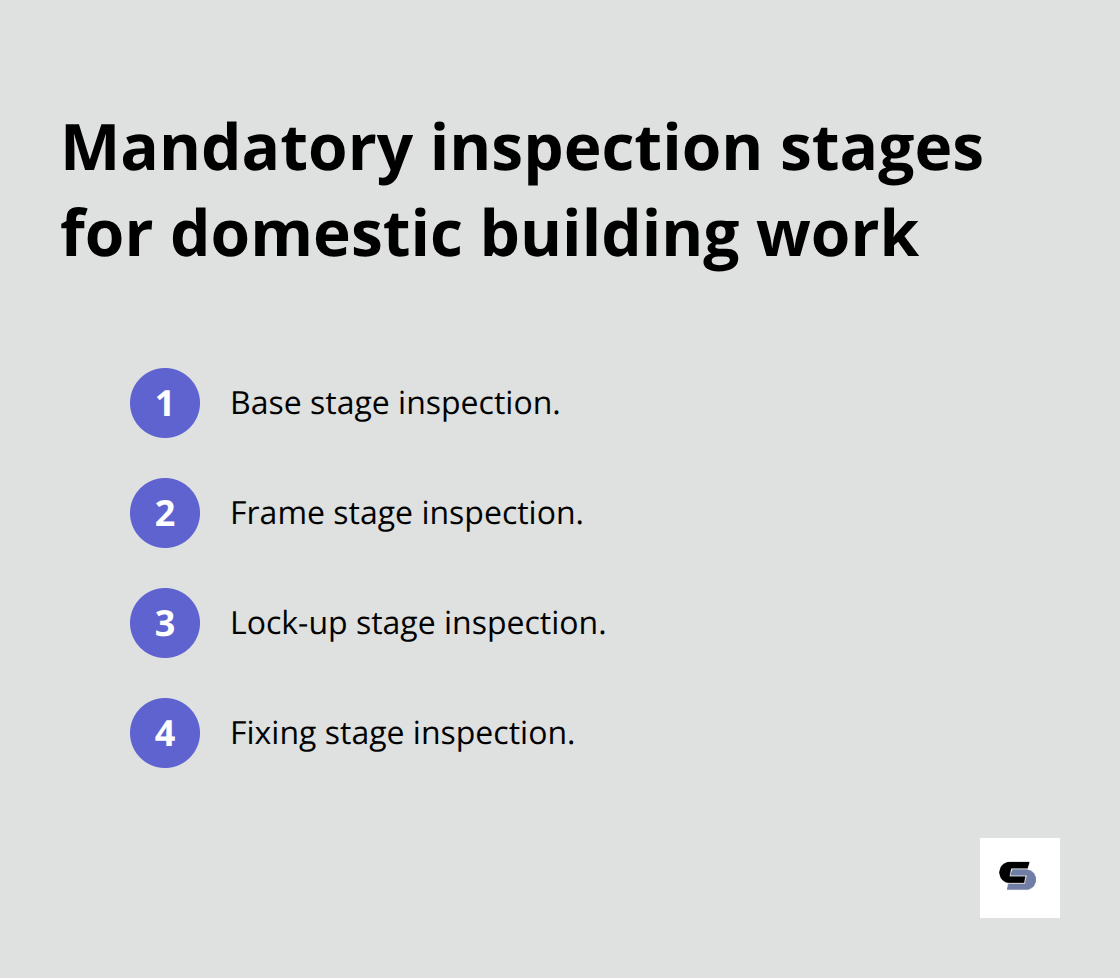
Additionally, variations to building work must be agreed in writing with new prices and completion dates documented in a variation notice. If a building surveyor orders variations, you have five business days to respond in writing if you disagree. Many homeowners miss this deadline simply because they weren’t aware it existed.
Poor Communication Predicts Project Problems
The third mistake compounds these problems: failing to verify how your builder communicates and manages the project. Poor communication during the planning phase predicts poor communication during construction. Before you sign a contract, confirm how often the builder provides progress updates-weekly, fortnightly, or on-demand.
Ask how they handle unexpected issues: do they contact you immediately or wait until the next scheduled meeting? Request the names and contact details of a site supervisor and a project manager you can reach directly. Builders who assign a dedicated contact person and use project management software to track progress tend to resolve problems faster and keep homeowners informed. Ask previous clients specifically whether they felt kept in the loop throughout construction and whether communication improved or deteriorated when challenges arose.
These three mistakes-underestimating true costs, neglecting permits, and accepting poor communication-account for most extension project failures in Melbourne. Learning how to find the best home extension builders helps you identify contractors who actually deliver on their promises.
How to Compare Home Extension Builders in Melbourne
Request Itemised Quotes and Realistic Timelines
The moment you request quotes from three builders, you’ll notice wildly different prices for identical scope. One builder quotes $285,000 for a 40 m² ground floor extension; another quotes $340,000 for the same work. The difference isn’t always quality-it’s often how each builder structures costs and manages risk. A detailed quote breaks down labour, materials, contingency, and council fees separately. A vague quote lumps everything together and leaves you guessing where your money goes.
Demand itemised quotes that show base costs, provisional sums for soil conditions or council variations, and prime cost items with exact product specifications. Ask each builder to specify their contingency percentage-typically 5–10% for well-planned projects with good soil reports. If a builder refuses to itemise or claims they don’t know final costs until work starts, they’re either inexperienced or deliberately vague to avoid accountability.
Request timelines in writing with start and completion dates, plus milestones for base, frame, lock-up, and fixing stages. A builder who cannot commit to realistic timeframes hasn’t properly planned your project.
Call References and Visit Active Sites
Calling references matters far more than reading online reviews. Ask the builder for five recent clients with projects similar to yours-ground floor additions or double storey extensions completed within the last two years. Call them directly and ask three specific questions: Did the builder finish within the quoted timeline? Did costs stay within 5–10% of the original quote, or did variations blow the budget? How did the builder handle unexpected problems like poor soil conditions or council requests for design changes?
A builder who consistently finishes within timeline and budget, even when challenges arise, demonstrates genuine competence. Ask whether the builder kept clients informed weekly and whether communication improved or worsened when problems emerged. Request permission to visit a current or recently completed site during construction-seeing the actual work in progress tells you far more than polished portfolio photos. Many builders resist site visits because they fear exposing poor workmanship or disorganised sites. If a builder refuses, that refusal itself disqualifies them.
Check the Prosecution and Disciplinary Register for any disputes, complaints, or disciplinary actions against each builder’s registration. A clean record indicates genuine reliability.
Prioritise In-House Design and Engineering Resources
A builder with in-house designers and engineers resolves problems faster than one who subcontracts design work. When your ground floor extension encounters unexpected soil conditions requiring deeper footings, an in-house engineer can modify the design within days. A builder who outsources design must wait for an external consultant to become available, adding weeks to the timeline.
Ask whether the builder employs full-time designers and engineers or hires them project-by-project. Full-time staff understand your project intimately and make faster decisions. Ask how the builder handles council requests for design modifications-do they absorb minor changes as part of their service, or charge immediately? Builders with in-house resources typically handle small variations without additional cost because they can adjust plans quickly.
Ask whether the builder has experience with your specific council-Fitzroy, Hawthorn, Camberwell, or wherever your property sits. Different councils have different expectations for setbacks, materials, and heritage considerations. A builder with 20+ projects in your council understands local preferences and secures approvals faster than one unfamiliar with that area. This local knowledge directly reduces your timeline and cost risk.
Final Thoughts
Selecting the right home extension builders Melbourne requires you to prioritise three core factors: verified credentials, transparent pricing, and demonstrated local experience. A builder’s registration with the Building and Plumbing Commission, current domestic building insurance, and public liability coverage form the non-negotiable foundation. Beyond credentials, their track record matters enormously-builders who consistently deliver within 5–10% of quoted timelines and budgets, even when soil conditions or council variations emerge, prove their competence through results, not promises.
Local experience separates reliable contractors from those learning on your project. A builder with 15+ years in Melbourne understands how Fitzroy, Hawthorn, and Camberwell councils operate differently, anticipates soil challenges specific to your area, and handles design modifications without unnecessary delays. In-house designers and engineers accelerate problem-solving when unexpected issues arise during construction-an in-house engineer modifies the design within days rather than weeks when your ground floor extension hits poor soil conditions. We at Cameron Construction have spent 40+ years building extensions and premium renovations across Melbourne, managing planning, permits, and BCA compliance across Melbourne’s councils.
Contact three builders from your shortlist, request itemised quotes with realistic timelines, and call their recent clients directly. Visit active construction sites, ask about contingency planning and how they handle council variations, and verify whether they employ in-house design resources. The home extension builder you select will shape your extension’s quality, timeline, and final cost for decades to come.