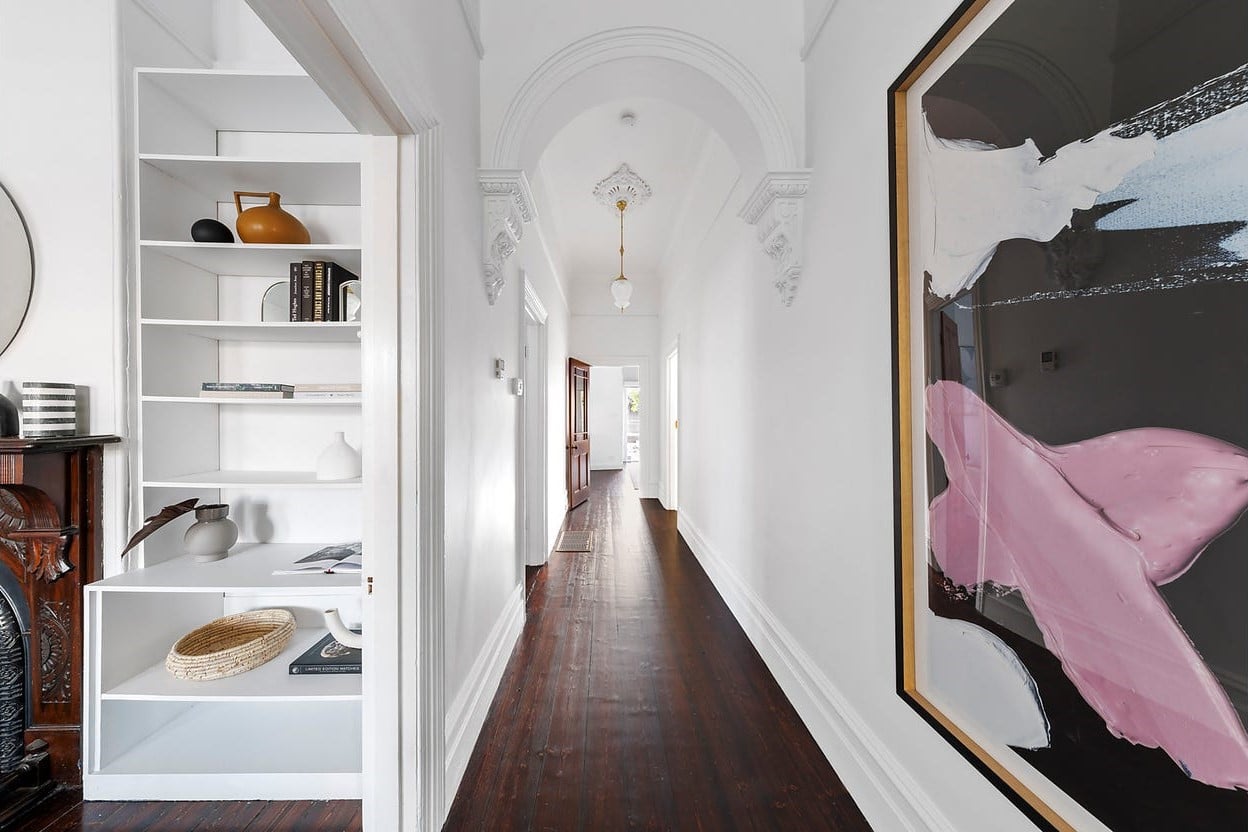
Heritage renovation planning in Melbourne: key approvals and practical steps
Heritage renovation planning in Melbourne: key approvals and practical steps
Heritage renovation in Melbourne demands more than a love for period homes; it requires a clear understanding of heritage overlays and council approvals. If you’re planning a period home renovation or an architectural extension, navigating planning and building permits can feel overwhelming. This guide breaks down key approvals and practical steps, helping you move forward with confidence and respect for your home’s character. For more detailed information, visit this guide.
Understanding Heritage Overlays
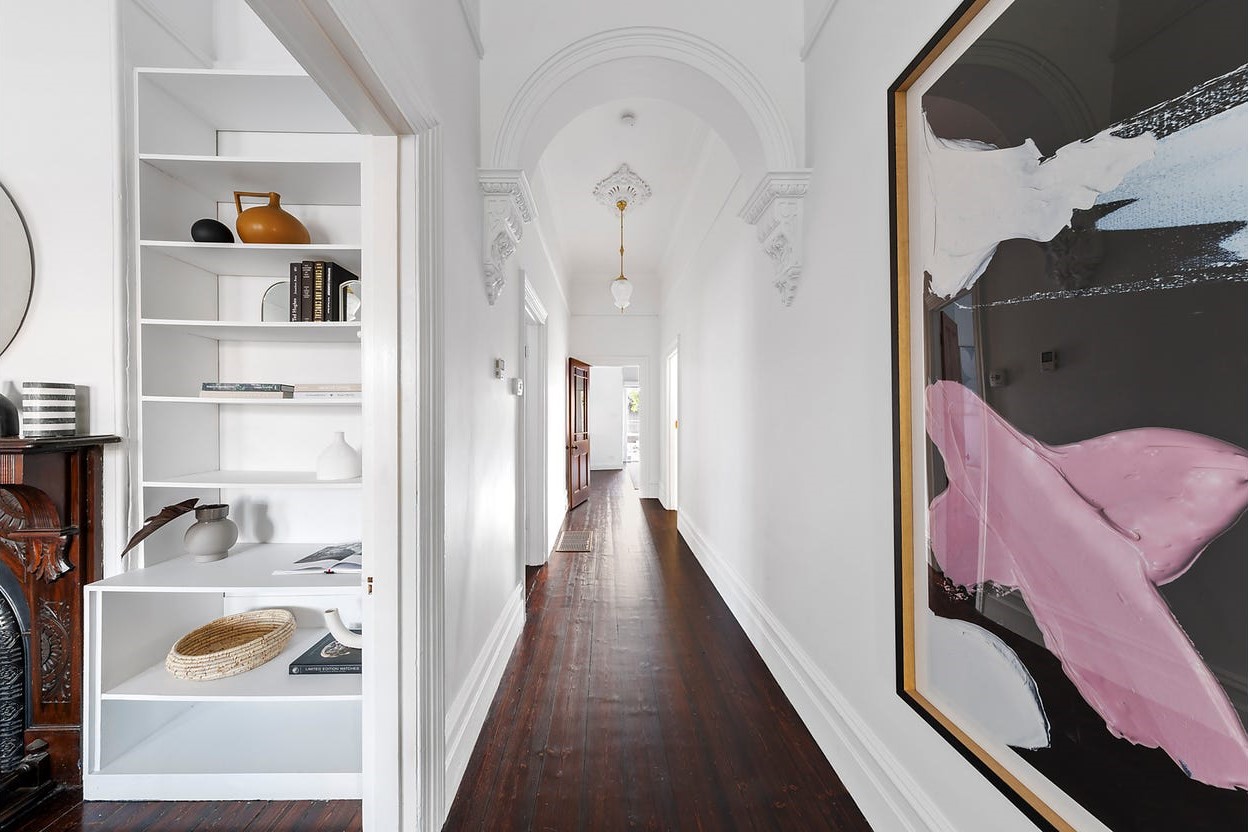
Heritage overlays play a crucial role in preserving Melbourne’s architectural charm, and they can impact your renovation plans.
What is a Heritage Overlay?
A heritage overlay protects the historical significance of a property. It ensures that changes respect the original character. You might wonder how this affects your plans. Well, it determines what you can and cannot alter. For instance, your Victorian terrace renovation might need to retain specific façade elements. Understanding these rules is essential for a smooth process. It’s not about restricting changes but ensuring they enhance the existing structure’s beauty.
Importance of Heritage Overlay Melbourne
In Melbourne, heritage overlays help maintain the city’s unique architectural tapestry. They encourage thoughtful renovations that keep the past alive. Most people think they limit creativity. But they actually inspire innovative design solutions. By respecting the overlay, you contribute to preserving Melbourne’s historical identity. This respect often results in a more valued and desirable property.
Navigating Council Approvals
Navigating council approvals can seem daunting, but it doesn’t have to be. The key is understanding what’s involved. First, you need to know which permits are necessary. Then, prepare the required documents and submit your application. It’s crucial to engage with the council early. This helps prevent unexpected delays. For those ready to dive deeper into the process, check out this comprehensive guide.
Approvals and Permits Process
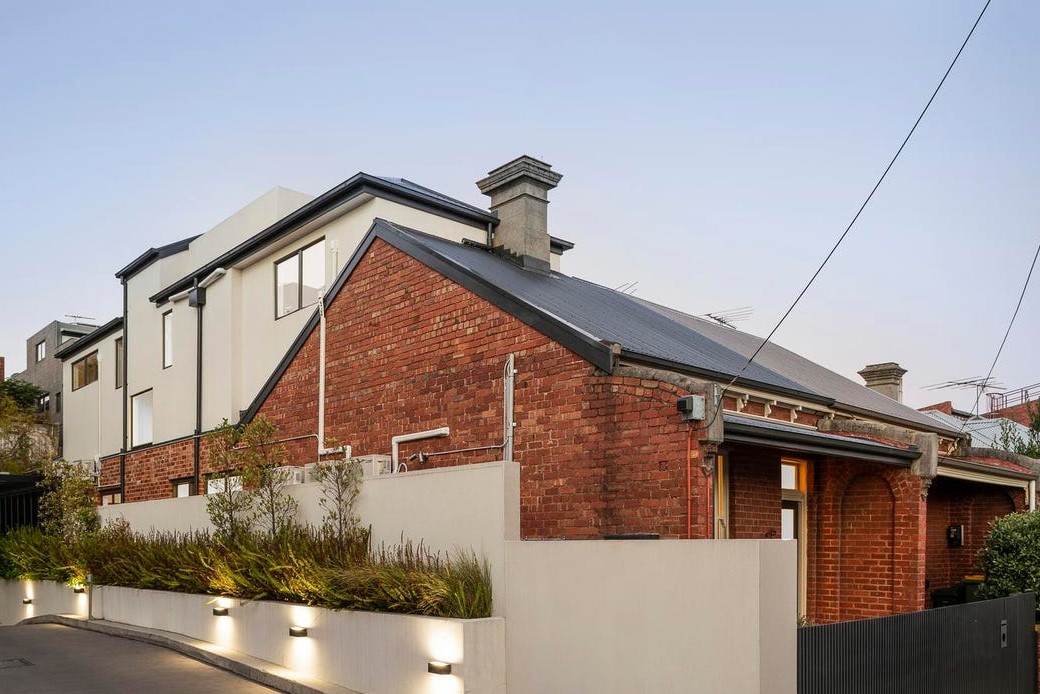
With a grasp of overlays, we can delve into the specific permits needed for your renovation.
Planning Permit Melbourne Essentials
A planning permit is often the first step in the approval process. It assesses the impact of your renovation on the local area. You’ll need one if your project affects the external appearance of your home or its use. To apply, gather detailed plans and a heritage report. This report demonstrates how your design aligns with heritage guidelines. Make sure to address all council concerns to avoid rejection.
Building Permit Melbourne Requirements
Moving to the building permit, this covers the structural aspects of your renovation. It ensures safety and compliance with building standards. You’ll need to provide architectural drawings and engineering reports. The permit process might seem lengthy, but it’s designed to protect you and your property. Engaging a professional can streamline this step, saving time and reducing stress.
Heritage Victoria Permits Explained
For properties with state-level significance, a Heritage Victoria permit is necessary. This permit ensures that renovations respect historical value. You’ll need to justify why specific changes are proposed. It’s about balancing modern needs with historical preservation. Proper documentation and a clear vision are key. The longer you wait to secure this permit, the more your project timeline may be affected. For guidance, visit Heritage Victoria.
Practical Steps for Renovation
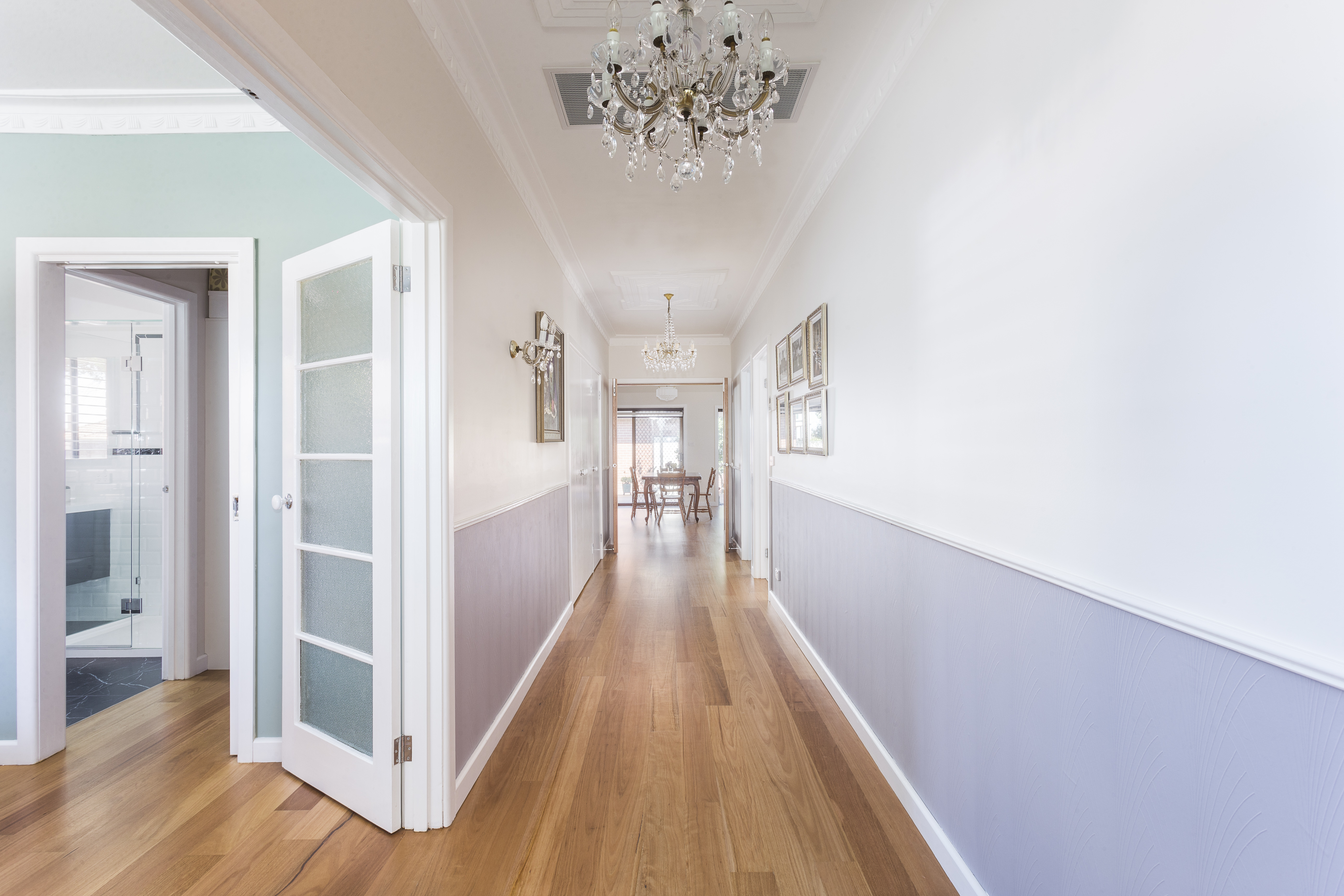
Armed with approvals, let’s explore the steps to bring your renovation vision to life.
Engaging a Heritage Architect Melbourne
Hiring a heritage architect is a wise investment. They understand both design and compliance, helping marry old with new. An architect can guide you through the complexities of heritage overlays. They ensure your renovation enhances your home’s character while meeting all regulatory requirements. Look for someone with a strong portfolio in period home renovations.
Town Planning Process Overview
Next, the town planning process: it’s where your ideas meet regulations. Start by consulting with your local council. They’ll provide valuable insights into neighbourhood character guidelines. Your goals should align with local expectations. This step might involve community consultations, which help refine your plans. Clear communication at this stage prevents future hurdles.
Sympathetic Renovation Techniques
Finally, consider sympathetic renovation techniques. These methods preserve original features while introducing modern comforts. For example, retaining a heritage façade while upgrading interiors. By using materials and styles that reflect the period, you maintain your home’s historical charm. Most people think this limits modernisation options, but it actually enhances overall appeal.
In summary, heritage renovation requires understanding overlays, securing permits, and engaging experts. With these steps, you can transform your Melbourne home while respecting its rich history. For further insights, explore this resource.