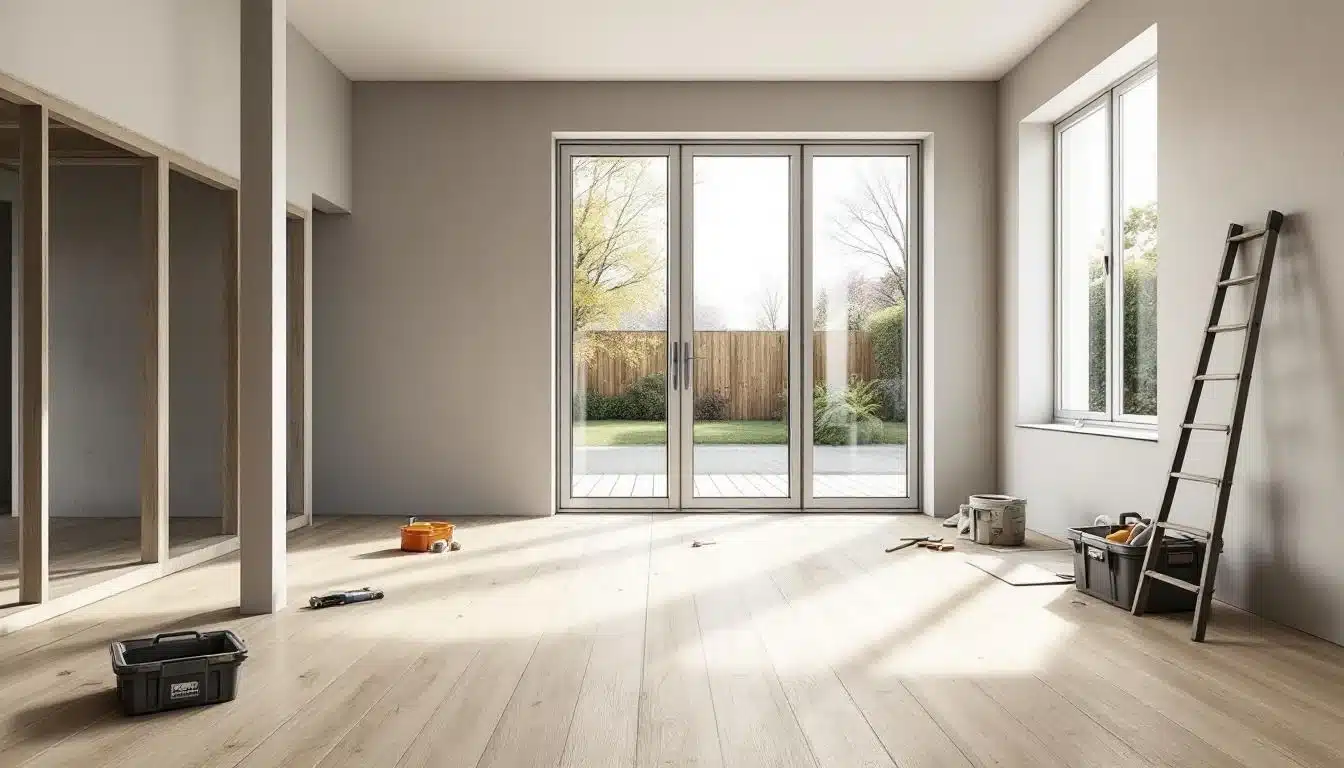
Ground Floor Extensions: Transform Your Home’s Space
Melbourne homeowners are increasingly choosing ground floor extensions to maximise their living space without the complexity of moving house. These additions offer immediate access to expanded areas while maintaining connection to existing outdoor spaces.
At Cameron Construction, we’ve seen how well-planned extensions can transform cramped homes into spacious family havens. The key lies in understanding your specific needs and navigating Melbourne’s building requirements effectively.
Planning Your Ground Floor Extension
Your extension project starts with honest evaluation of your current home layout and daily patterns. Melbourne families typically need 20-30 square metres for meaningful ground floor additions, with kitchen expansions requiring minimum 15 square metres and new bedrooms needing 12 square metres under the Building Code of Australia. Document how you use existing spaces during different times of day to identify genuine needs versus wants.
Council Requirements Vary Significantly
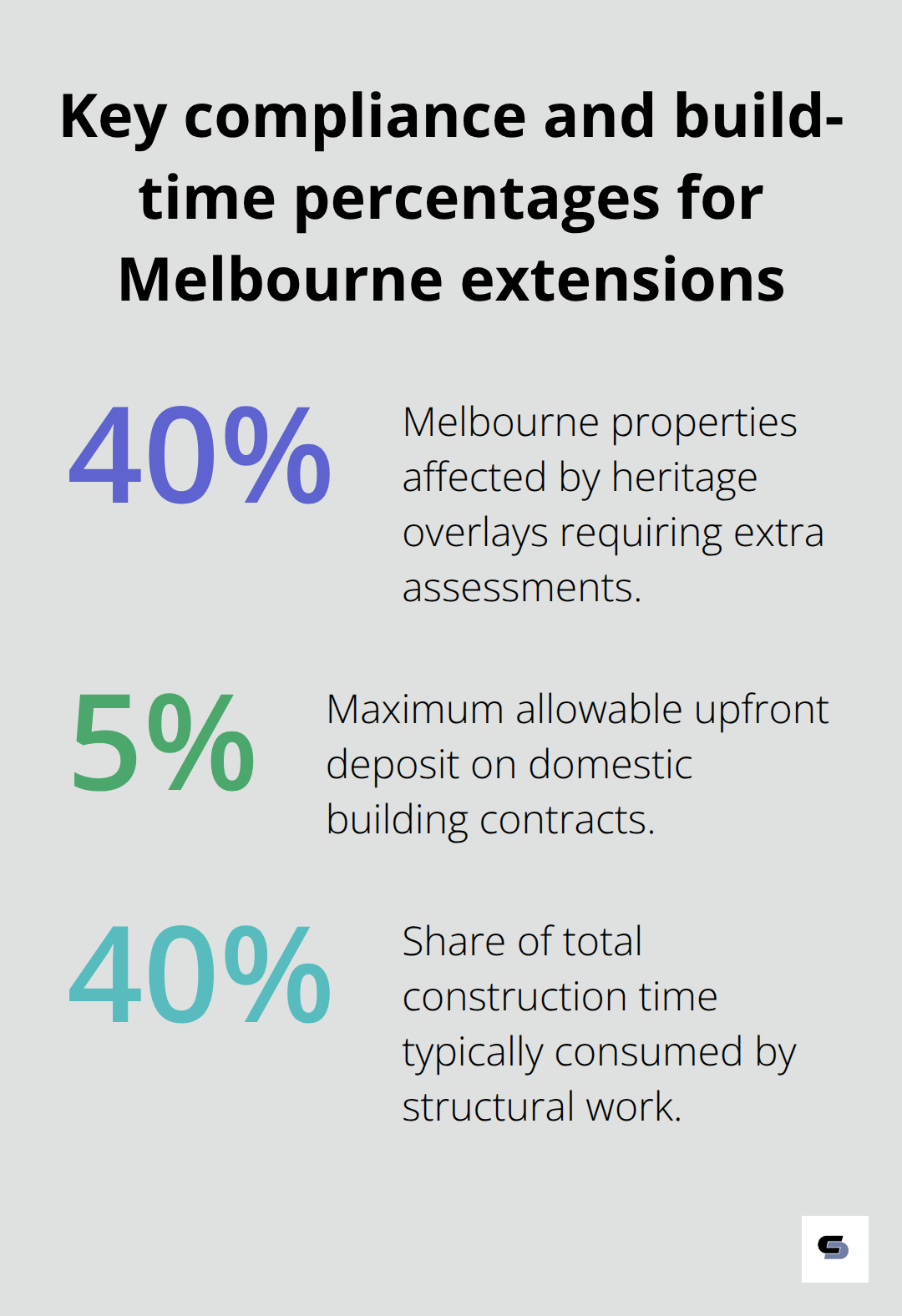
Melbourne councils have different setback requirements and height restrictions that directly impact your extension size. Bayside Council requires 6-metre rear setbacks for single-storey additions, while Stonnington allows 3-metre setbacks in some zones. Planning permits cost between $1,500-$3,000 and take 60-90 days for approval. Building permits add another $2,000-$5,000 (depending on construction value). Heritage overlays affect 40% of Melbourne properties and require additional heritage assessments that cost $3,000-$8,000.
Contact your local council planning department before you engage designers to understand specific restrictions for your property zone.
Budget Reality for Melbourne Extensions
Ground floor extensions in Melbourne’s current market reflect rising construction costs, with residential land prices increasing by 9.3 per cent over the year to September 2024. Premium finishes can reach $7,000 per square metre. A typical 25 square metre kitchen and living extension ranges from $87,500-$175,000 including permits, structural work, and standard fixtures. Add 15-20% contingency for unexpected issues like poor soil conditions or asbestos removal. Soil reports cost $1,200-$2,500 but prevent foundation surprises that can add $10,000-$30,000 to budgets.
Professional Design Considerations
Factor permit costs, temporary accommodation if required, and utility reconnections into your total investment calculation. Professional designers understand Melbourne’s complex planning schemes and can maximise your available space within council restrictions. The right design approach transforms your vision into buildable plans that comply with regulations while delivering the functionality your family needs for years ahead.
Design Options for Ground Floor Extensions
Melbourne’s ground floor extensions succeed when they address specific lifestyle needs rather than generic space additions. Kitchen expansions demand 4-metre minimum widths for functional island benches, with successful projects typically adding 20-25 square metres to create meaningful spaces for entertainment. Open plan designs work best when ceiling heights reach 2.7 metres minimum, though 3-metre heights create premium feel that justifies the additional structural costs ($8,000-$15,000). Melbourne families prioritise kitchen-dining integration, which makes combined spaces the highest return investment for ground floor additions.
Strategic Bedroom and Bathroom Placement
Additional bedrooms require 12 square metres minimum under Building Code requirements, but 15 square metres delivers comfortable furniture placement and storage. Position new bedrooms on southern or eastern walls to avoid afternoon heat and reduce cooling costs by 15-20% annually. Bathroom additions cost $25,000-$40,000 for quality fixtures and waterproofing, with ensuites adding $35,000-$50,000 (including ventilation systems mandatory in Melbourne’s climate). Locate bathrooms near existing plumbing to reduce connection costs by $3,000-$8,000, though running new services allows optimal room positioning.
Outdoor Integration That Works
Successful alfresco integration requires covered areas minimum 3 metres deep to provide weather protection and usable space for entertainment year-round. Sliding door systems spanning 3-4 metres create genuine indoor-outdoor flow, with quality aluminium systems costing $4,000-$8,000 per linear metre. Raised decking works on sloping Melbourne blocks but adds $800-$1,200 per square metre compared to concrete slabs. Western-facing outdoor areas need permanent shade structures or afternoon sun makes spaces unusable during summer months (reducing your extension’s functional value significantly).
Material Selection Impact
Quality materials determine both immediate functionality and long-term value. Engineered stone benchtops cost $600-$1,200 per linear metre but resist stains and scratches better than natural alternatives. Timber flooring ranges from $80-$200 per square metre installed, with hybrid options offering water resistance for kitchen zones. Window selection affects energy efficiency dramatically, with double-glazed units reducing heating costs by 20-30% annually despite higher upfront investment of $800-$1,500 per square metre.
The success of your design choices depends heavily on selecting the right builder who understands Melbourne’s unique requirements and can execute your vision within budget and timeline constraints.
Managing the Extension Building Process
Your builder determines project success more than any design decision. Melbourne’s registered building practitioners number over 12,000, but finding specialists in residential extensions with proven track records requires careful research. Check builder registration through the Victorian Building Authority website and verify domestic building insurance covers your project value. Request three recent client references and physically inspect completed extensions in your area. Quality builders provide fixed-price contracts with stage-based payments tied to completion milestones, never upfront deposits that exceed 5% of total project cost.
Timeline Expectations for Melbourne Extensions
Ground floor extensions require 16-20 weeks from permit approval to completion, with kitchen-focused projects taking 12-14 weeks and bedroom additions extending to 18-22 weeks. Weather delays add 2-3 weeks during Melbourne’s winter months, while heritage overlay properties need additional 4-6 weeks for specialised compliance work. Your builder should provide weekly progress reports and maintain daily communication about any issues that affect timeline. Structural work consumes 40% of total construction time, with waterproofing, electrical, and finishing each requiring 3-4 weeks minimum.
Project Phase Management
Quality builders complete projects within 10% of quoted timeframes, while poor performers exceed deadlines by 30-50%. Foundation work typically takes 2-3 weeks (including excavation and concrete curing), followed by frame construction over 3-4 weeks. Roof installation and weatherproofing consume another 2 weeks before internal trades begin their work.
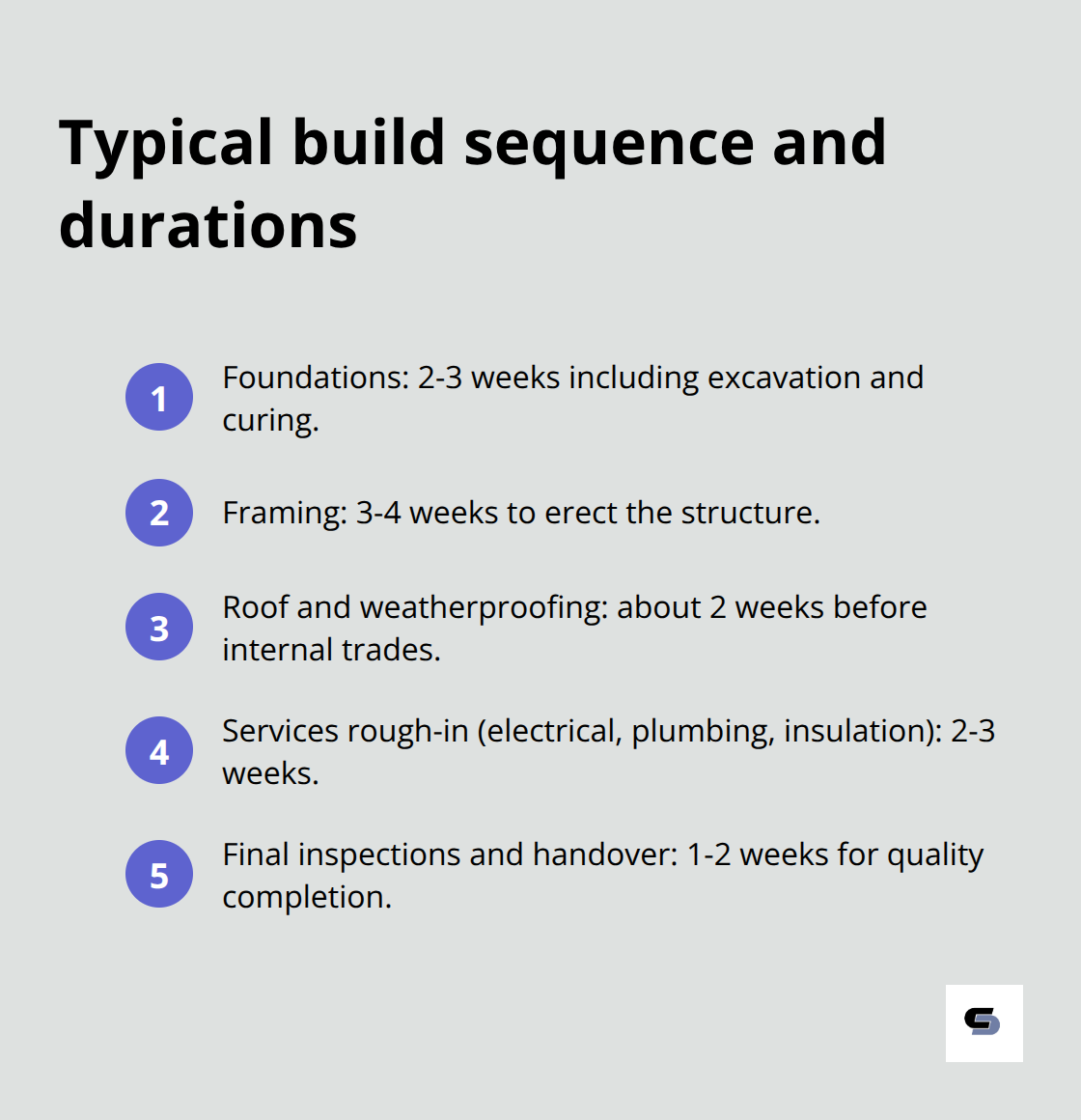
Electrical rough-in, plumbing, and insulation occur simultaneously over 2-3 weeks, with final inspections and handover requiring 1-2 weeks for quality completion.
Construction Impact on Daily Life
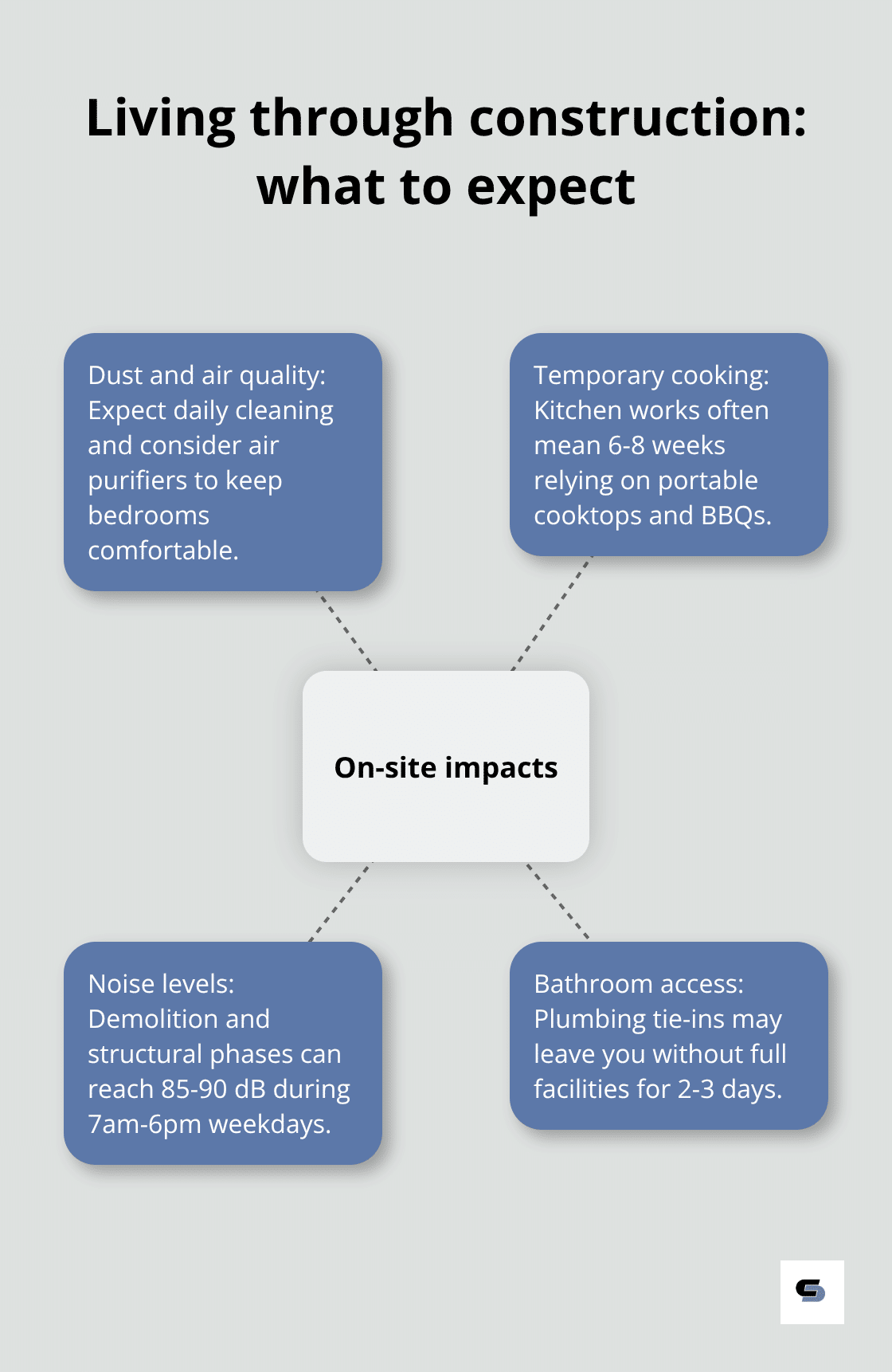
Construction dust travels throughout existing homes despite plastic barriers, requiring daily cleaning and air purifier units in bedrooms. Kitchen demolition forces temporary cooking arrangements for 6-8 weeks, with portable cooktops and outdoor BBQ areas becoming necessity rather than convenience. Noise levels reach 85-90 decibels during demolition and structural work between 7am-6pm weekdays, making work-from-home arrangements difficult. Bathroom access becomes complicated when connecting new plumbing to existing systems, often requiring 2-3 days without full facilities.
Communication and Quality Control
Professional builders minimise disruption through careful scheduling and clear daily cleanup protocols. They establish dedicated site access points to reduce foot traffic through your home and protect existing flooring with heavy-duty coverings. Weekly site meetings allow you to track progress and address concerns before they become costly problems. Quality builders photograph work stages for documentation and provide detailed handover packages that include warranties, maintenance schedules, and compliance certificates (essential for future property sales or insurance claims).
Final Thoughts
Ground floor extensions deliver immediate space solutions while you maintain connection to existing outdoor areas and avoid relocation stress. Melbourne homeowners typically see 10-20% property value increases from well-executed extensions, with kitchen and living area additions providing the strongest returns. The investment pays dividends through improved daily functionality and enhanced entertainment capabilities that modern families demand.
Professional execution makes the difference between successful projects and costly mistakes. Quality builders navigate Melbourne’s complex council requirements while they deliver extensions that integrate seamlessly with existing architecture. The 16-20 week construction timeline becomes manageable with experienced teams who minimise disruption and maintain clear communication throughout the process.
Your extension project requires careful builder selection and realistic budget planning (including permits, materials, and contingencies). Cameron Construction specialises in Melbourne ground floor extensions, handling concept to completion including planning, permits, and council compliance. Our in-house designers and project managers transform your vision into functional spaces that enhance your home’s value and your family’s lifestyle for decades ahead.