From Brief to Build: What to Expect in the Design Phase of a Melbourne Renovation
From Brief to Build: What to Expect in the Design Phase of a Melbourne Renovation
The design phase shapes the success of your renovation. It’s when your ideas take form through concept design, preliminary budgets, and careful site measures. Understanding this process helps reduce uncertainty and keeps your home extension design on track. Read on to learn what to expect from the design phase of your Melbourne renovation and how Cameron Design & Construction supports you every step of the way. For further insights, check out this step-by-step guide to the design-build process.
Understanding the Design Phase
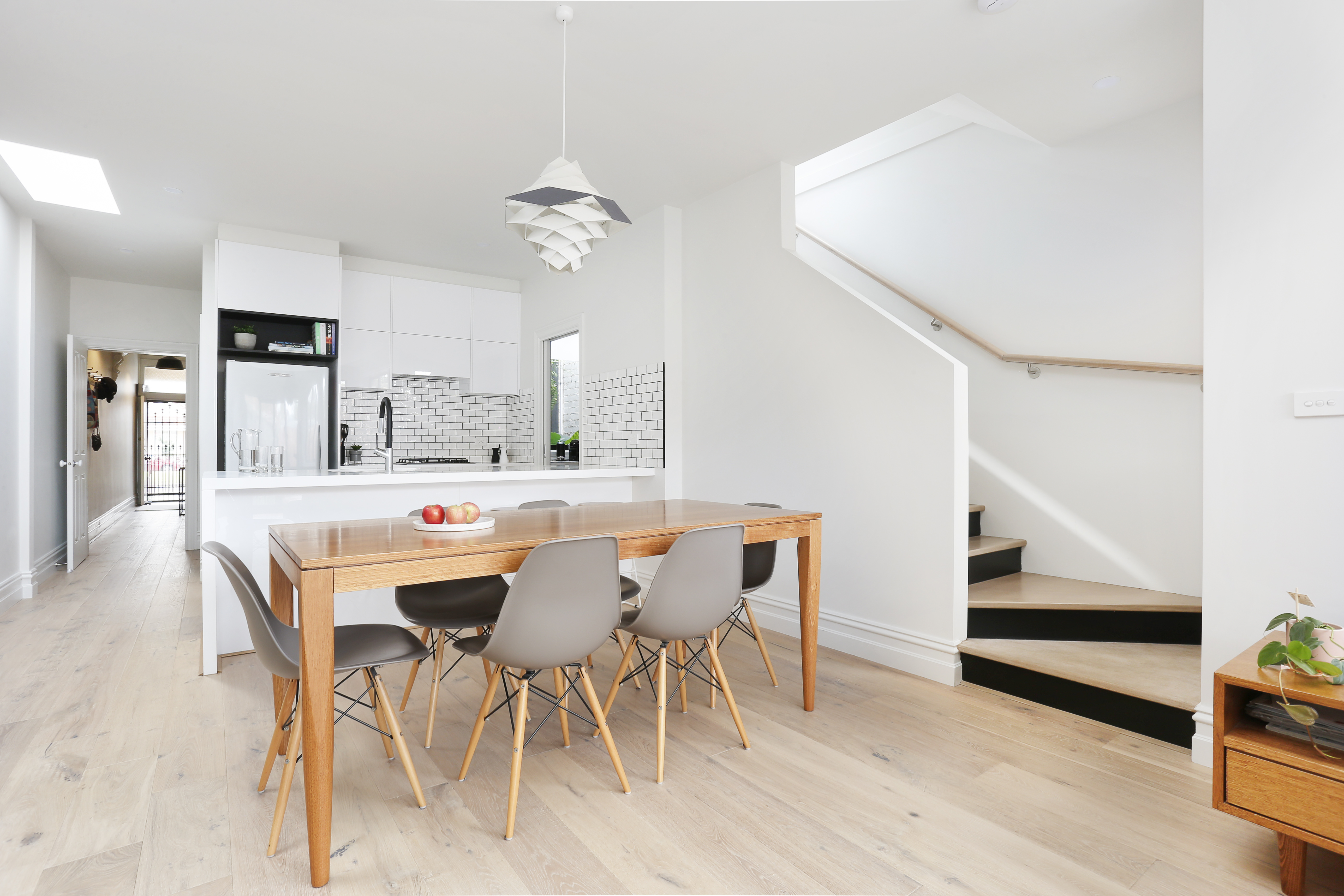
Embarking on a renovation can be thrilling, but it’s crucial to understand what the design phase involves. This phase is where your renovation begins to take shape, setting the foundation for a successful project.
Setting Clear Expectations
Starting a renovation? Knowing what to expect is key. The design phase isn’t just about picking colours or materials; it’s about setting the stage for everything that follows. You’ll work closely with experts to ensure your renovation aligns with your vision and lifestyle needs.
-
Initial Meeting: Discuss your goals and budget.
-
Feasibility Review: Determine what’s possible within your constraints.
Clear expectations help avoid surprises later on. With Cameron Design & Construction, you’ll have a roadmap from day one, ensuring smooth progress and fewer headaches down the line.
Key Steps in Renovation Design Melbourne
Every successful renovation follows a series of planned steps. Understanding these can save you time and stress. Start with a concept design that captures your ideas. Then, move to preliminary budgeting, which helps you see if your vision fits your financial plan.
-
Concept Design: Visualise your ideas with sketches and models.
-
Preliminary Budget: Gauge costs early to manage your finances better.
Not only does this planning stage help you stay on track, but it also fosters informed decision-making throughout your renovation journey. Explore more about the process here.
Importance of a Preliminary Budget
Why is a preliminary budget important? It acts as a financial guide throughout your renovation. By understanding costs early, you can prioritise features that matter most to you without compromising quality or overspending.
-
Financial Clarity: Know what you can afford before committing.
-
Project Scope: Adjust plans to fit your budget without sacrificing goals.
A well-planned budget reduces uncertainty, making your renovation a more enjoyable experience. This financial foresight ensures that your project remains feasible from start to finish.
Navigating Design Elements
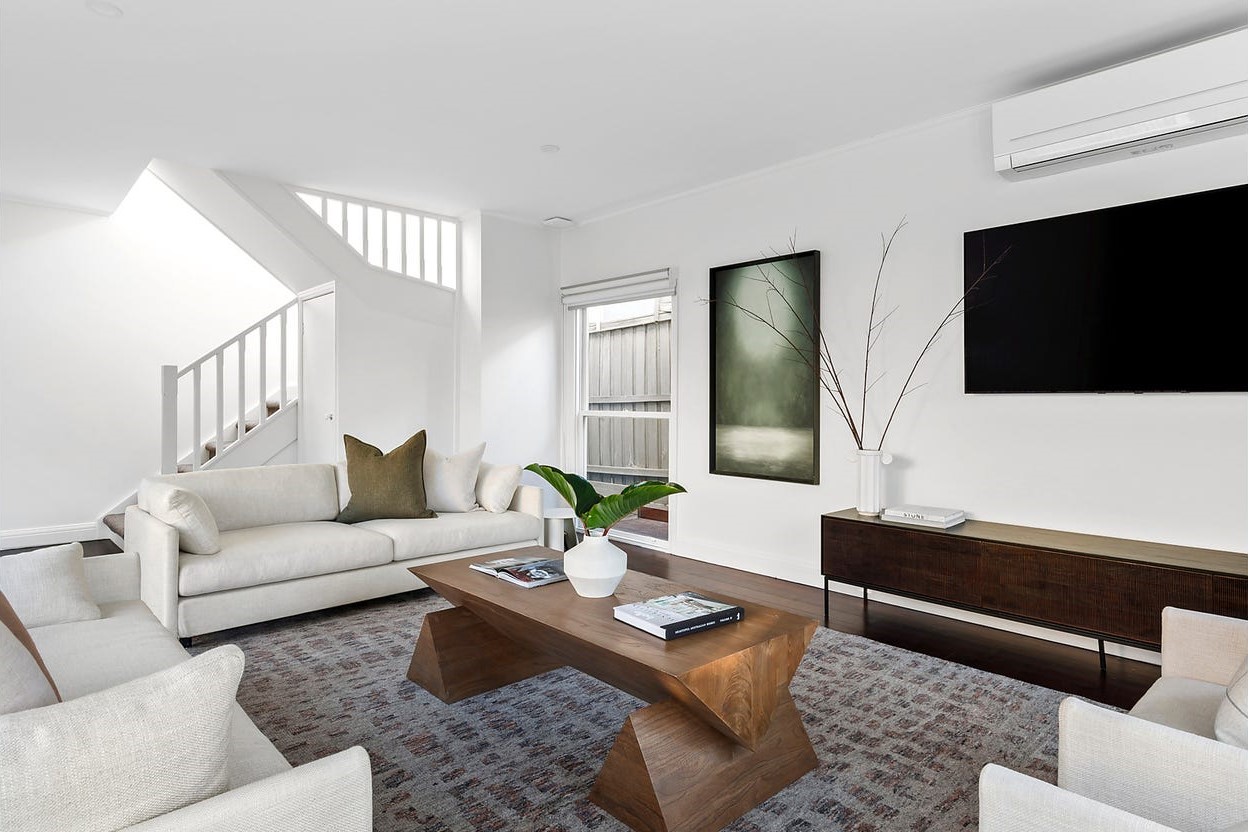
As your renovation advances, attention turns to design elements. These components breathe life into your project, weaving together practicality and aesthetic appeal.
Crafting the Concept Design
The concept design is where creativity meets functionality. It’s about visualising your dream space and ensuring it aligns with practical considerations. Your input is invaluable here, as designers translate ideas into tangible plans.
-
Visual Exploration: See your ideas come to life through sketches or digital renderings.
-
Functionality Check: Ensure the design meets your daily needs and lifestyle.
Creating a concept design is an exciting step, allowing you to see how each element fits together. It’s a chance to refine and perfect your vision before any work begins. Learn more about crafting effective designs here.
Site Measure and Survey Coordination
Accurate site measures and surveys are vital for a successful renovation. This step ensures that your plans are feasible and that there are no surprises when construction begins.
-
Precision Planning: Capture exact dimensions to avoid costly errors.
-
Site Analysis: Understand the site’s unique characteristics and constraints.
By coordinating these details early, you prevent delays and cost overruns, keeping your project on schedule and within budget. This precision makes the construction phase smoother and more predictable.
Integrating Heritage and Town Planning Advice
For many Melbourne homes, integrating heritage elements and meeting town planning requirements is essential. Navigating these can be complex, but expert advice ensures compliance and respect for historical features.
-
Heritage Consideration: Preserve character while modernising.
-
Planning Permits: Secure necessary approvals smoothly.
Incorporating these elements not only preserves the charm of your home but also ensures a harmonious blend of old and new. It’s about respecting the past while building for the future.
Finalising Your Design
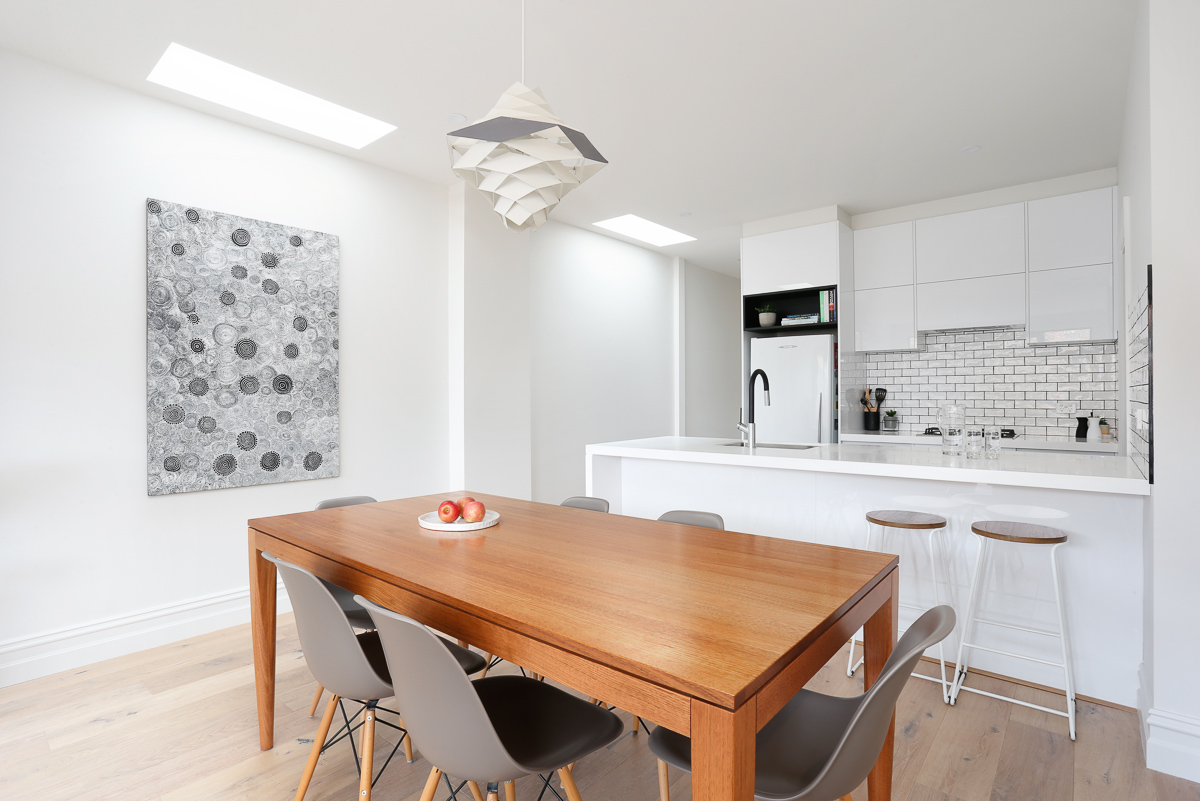
As you near the end of the design phase, focus shifts to finalising plans and preparing for construction. This stage is critical for ensuring everything is ready for a seamless build.
Drafting and Documentation for Permits
Before construction can start, detailed documentation is needed. This includes plans required for building permits and ensuring all legal requirements are met.
-
Comprehensive Plans: Prepare detailed drawings and specifications.
-
Permit Acquisition: Obtain necessary approvals to start building.
Proper documentation ensures that your project meets all regulatory standards and avoids potential legal or construction hurdles. Discover more about the documentation process here.
Incorporating 3D and Sustainable Design
Bringing your design to life with 3D renderings offers a preview of the finished project. Incorporating sustainable design elements can enhance comfort and reduce environmental impact.
-
3D Visualisation: Experience your design before construction begins.
-
Eco-friendly Choices: Choose materials and systems that enhance efficiency.
These tools help refine your plans, making adjustments easier before any physical work begins. They ensure your renovation is both beautiful and sustainable.
Engineering and Structural Design Considerations
Engineering and structural designs are crucial for a safe and sound renovation. This involves collaborating with experts to ensure your plans are structurally feasible and meet safety standards.
-
Structural Integrity: Ensure designs can withstand time and elements.
-
Engineering Expertise: Collaborate with professionals for robust solutions.
By considering these aspects, you protect your investment and ensure the longevity of your renovation. A sturdy foundation guarantees a successful project completion.
In summary, each phase of the design process offers valuable insights and ensures your renovation aligns with your vision. By understanding these steps, you can approach your project with confidence, knowing that Cameron Design & Construction is equipped to support you every step of the way.