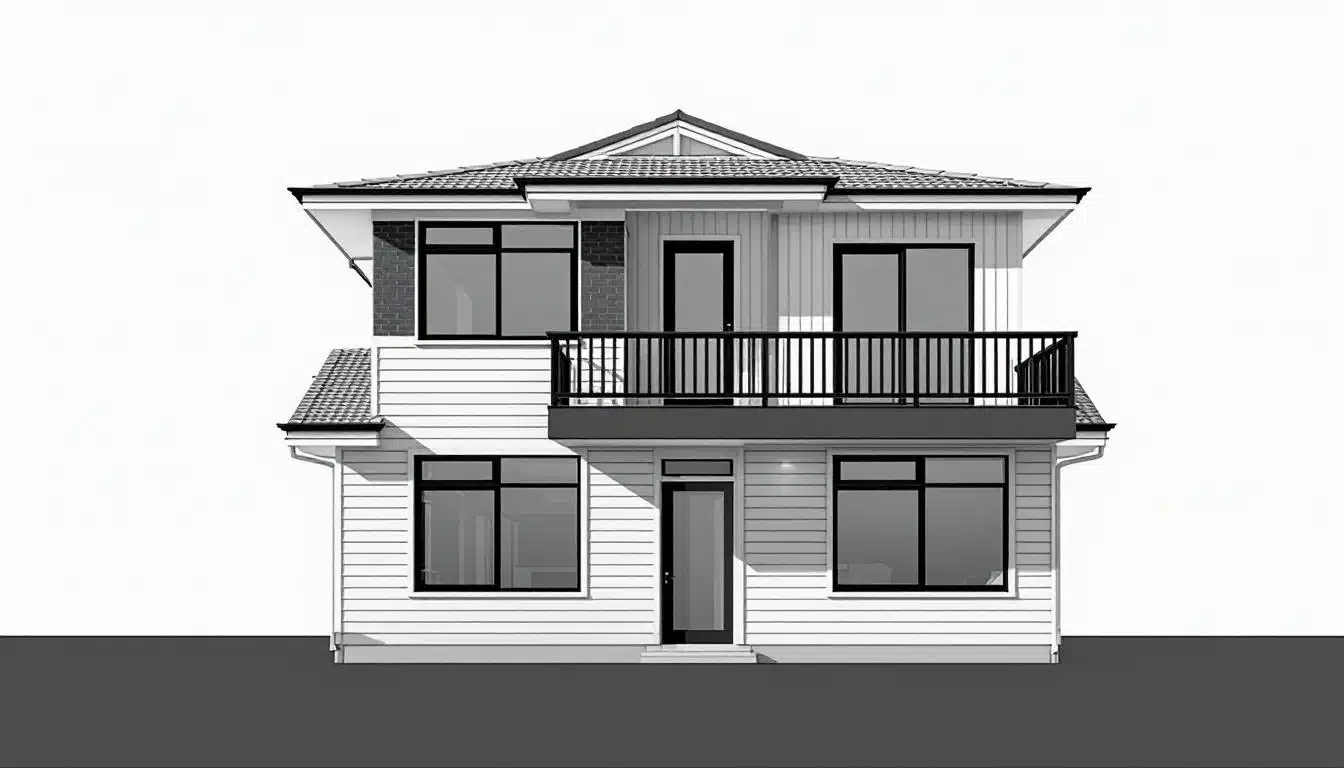
Double Storey Facade with Balcony Design Ideas
Your double storey facade with balcony is one of the most visible parts of your home extension. It shapes how your property looks and how your family lives in the new space.
At Cameron Construction, we’ve seen how the right design choices transform both the appearance and functionality of double storey additions. This guide covers the materials, design principles, and current trends that work best for Melbourne homes.
What Materials Work Best for Double Storey Facades
Brick and rendered finishes remain the most durable choice for Melbourne double storey facades, particularly when matching existing homes or heritage contexts. Rendered finishes-whether acrylic or cement-based-offer flexibility in colour and texture while providing excellent weather protection, critical in Melbourne’s variable climate where temperature swings and moisture exposure accelerate material degradation. Brick demands less maintenance over 40+ years and maintains structural integrity without repainting.
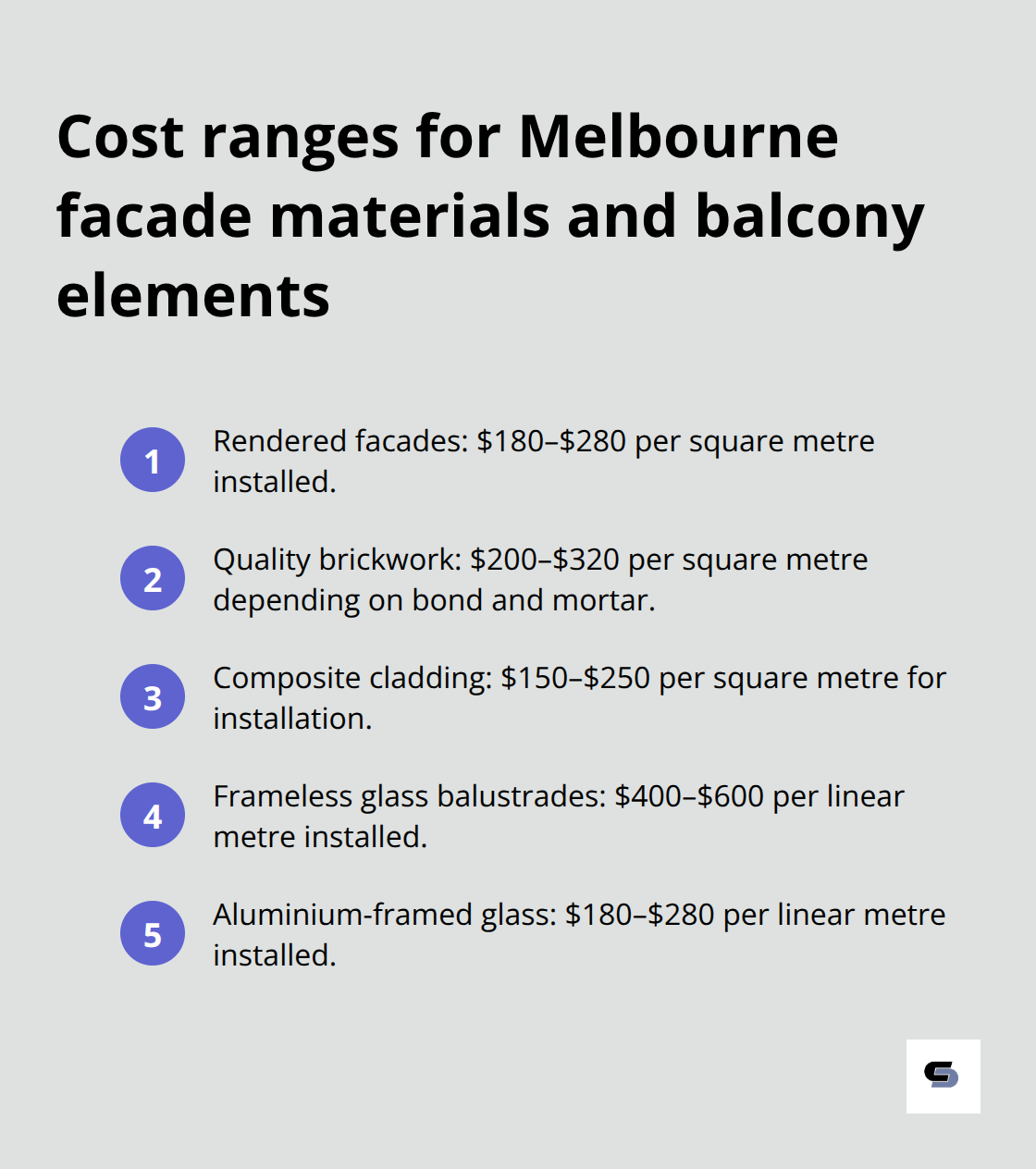
The average cost difference is modest: rendered facades typically cost between $180–$280 per square metre, while quality brickwork sits at $200–$320 per square metre depending on bond patterns and mortar specifications. Brick performs particularly well on ground floor additions where durability compounds savings over time, especially on south-facing elevations exposed to weathering.
Composite and Timber Cladding for Contemporary Aesthetics
Composite cladding systems-engineered timber or fibre cement boards-have gained traction in Melbourne extensions because they combine timber aesthetics with lower maintenance demands. These materials resist warping, splitting, and insect damage better than solid timber, making them practical for balcony fascias and vertical wall planes. Installation costs range from $150–$250 per square metre, positioning composites between basic rendered finishes and premium brickwork. Solid timber cladding, when specified correctly, performs well in dry climates but requires maintenance schedules every 3–5 years in Melbourne; however, high-quality hardwoods like spotted gum or blackbutt age beautifully and support the sustainable design principles increasingly expected in premium renovations. Ventilation behind cladding matters significantly-inadequate airflow traps moisture and accelerates degradation, a mistake that occurs regularly in extensions where builders overlook this specification.
Glass and Metal Integration
Glass balustrades and steel framing create visual lightness on double storey facades, particularly where views or northern light dominate design priorities. Frameless glass costs significantly more-$400–$600 per linear metre installed-compared to traditional aluminium-framed options at $180–$280 per linear metre, but delivers unobstructed sightlines. Powder-coated steel or aluminium mullions integrate durably with brick and rendered finishes; matte black or charcoal tones complement contemporary palettes without the maintenance burden of stainless steel, which requires regular cleaning in Melbourne’s coastal and urban pollution environments. Metal accents work most effectively when restrained-full metal frames on multiple facades risk visual heaviness, whereas targeted use on balcony edges or window frames creates intentional design rhythm. The structural engineer must verify all glass and metal attachment points comply with National Construction Code 2022 requirements for wind loads and impact resistance, non-negotiable for Melbourne’s exposure zones.
These material choices establish the visual foundation of your facade, but their success depends equally on how balcony design principles translate materials into functional outdoor spaces that enhance both daily living and your home’s overall performance.
How to Design a Balcony That Maximises Light, Function, and Safety
Orient Your Balcony to Capture Winter Sun and Block Summer Heat
Balcony orientation determines how much natural light reaches your interior spaces and whether outdoor areas feel usable year-round in Melbourne’s climate. North-facing balconies capture winter sun and provide summer shade through strategic overhang design, reducing heating and cooling demands on your extension. East and west exposures demand careful consideration because morning and afternoon sun creates glare and heat gain; external shading devices like timber battens or louvres work better than interior treatments, which trap heat between glass and window coverings. Larger windows maximise daylight penetration but increase cooling costs unless paired with appropriate shading. Views from the balcony itself shape how families use the space; sightlines toward gardens, street trees, or water features encourage regular occupation, whereas views of neighbouring walls or carpark fences leave balconies unused.
Respect Heritage Requirements and Streetscape Coherence
If your property sits in a heritage precinct, balcony height and projection must align with prevailing building lines and neighbouring facades to maintain streetscape coherence. The Heritage Design Guide requires new balconies to respect key attributes such as height, massing, form, style, materials, setbacks and fencing. Balcony railings should echo historic details rather than use modern out-of-context styles. Verandah-inspired design elements and appropriate fencing integrate balconies with historic character. Your design must avoid air-space conflicts with adjoining heritage places and keep the overall facade height generally consistent with the street’s prevailing height. These requirements apply across Melbourne’s heritage precincts, so early consultation with your local council prevents costly redesigns during the planning phase.
Size Your Balcony for Actual Use, Not Just Visual Appeal
A 2 by 3 metre balcony accommodates a small dining setting; anything smaller becomes purely visual rather than liveable. Depth matters more than width because a shallow balcony forces furniture against the building line, whereas a deeper projection allows seating arrangements that face outward. Weather exposure in Melbourne demands consideration of wind loads and rain protection; the National Construction Code 2022 specifies wind load requirements for balcony structures, and wind tunnel testing on exposed sites occasionally proves necessary for high-rise or hilltop locations.
Meet Structural Code Requirements for Wall Attachment and Bracing
Structural attachment to external walls must comply strictly with NCC 2019 Amendment 1 Part 3.10.6, which governs deck and balcony fixings through waling plates, bolts, and bracing straps. A timber waling plate must measure 190 by 45 millimetres minimum and use M12 coach screws embedded at least 96 millimetres into timber external walls, with fixings spaced no more than 300 millimetres apart. Decks more than 1 metre above ground require two diagonally opposed galvanised steel bracing straps across the joists; decks extending beyond 4 metres from the external wall need secondary bracing installed at angles between 30 and 60 degrees. Flashing installation matters equally-it must extend 150 millimetres beyond each side of the waling plate with 75 millimetre overlaps and complete sealing to prevent moisture infiltration, a detail that fails regularly in extensions where builders prioritise speed over weatherproofing.
Verify Wall Suitability and Alternative Support Methods
Your structural engineer must verify all attachment points, particularly if your existing wall contains masonry veneer or non-core-filled construction, which may require alternative support methods like parallel piers rather than direct wall attachment. These technical specifications form the backbone of a safe, durable balcony, but their execution depends on selecting a builder and engineer who understand Melbourne’s specific building conditions and council requirements. The design trends that follow show how contemporary aesthetics align with these structural and functional demands.
What Design Trends Actually Work for Melbourne Double Storey Facades
Contemporary Aesthetics Require Intentional Detail
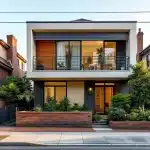
Contemporary double storey facades in Melbourne increasingly prioritise clean lines and restrained material palettes, but this minimalist approach succeeds only when paired with deliberate detail. Matte black metal frames, rendered walls in warm greys or charcoal, and timber accents create visual sophistication without the dated appearance of overly ornate designs. The Commons, a Melbourne multi-housing project completed in 2015, demonstrates this principle effectively: its simple timber and glass facade achieved a 7.5-star energy rating and sold 22 of 24 units off the plan, proving that contemporary aesthetics directly influence buyer perception and market performance. Minimalism fails when it becomes featureless-your balcony, window proportions, and material transitions must create intentional rhythm rather than blank monotony. Ground floor additions benefit particularly from this approach because they anchor the entire composition; if your ground floor reads as a solid rendered plane with minimal articulation, even a well-designed upper storey appears disconnected. Facade rhythm works best when balcony depth, window sizing, and material changes align with interior spatial divisions, so your structural engineer and designer must coordinate decisions rather than treating facade design as purely visual.
Respecting Neighbourhood Context and Heritage Requirements
Integration with surrounding architecture requires honest assessment of your neighbourhood’s character rather than aspirational design choices that ignore context. In heritage precincts, balcony projections must align with prevailing building lines and neighbouring facade heights to maintain streetscape coherence-this is not optional guidance but a planning requirement enforced across Melbourne’s councils. Properties on sloping blocks or those adjacent to significant trees demand balcony positioning that preserves sightlines and respects mature vegetation; a balcony that blocks views of established street trees diminishes both your extension’s appeal and your neighbours’ amenity.
Sustainable Performance Shapes Facade Expression
Sustainable design features increasingly influence facade performance: larger northern windows with appropriate overhang depths reduce heating demands, while external shading integrated into balcony design prevents summer heat gain without trapping warmth behind interior blinds. Energy-efficient envelope design-high-performance glazing, continuous insulation, and strategic thermal mass-translates directly into lower running costs and improved comfort; these features should be visible in your facade expression through generous window placement and material choices that suggest quality rather than attempting to hide building performance behind aesthetic flourishes.
Final Thoughts
Your double storey facade with balcony represents a significant investment in your home’s future, and the material choices, structural decisions, and design principles covered in this guide determine whether your extension delivers lasting value or becomes a source of regret within five years. The most successful extensions we at Cameron Construction have completed share three characteristics: they respect neighbourhood context rather than impose aspirational designs that ignore surroundings, they prioritise functional outdoor spaces over purely visual gestures, and they integrate structural requirements into the aesthetic expression rather than treat compliance as an afterthought. A balcony that fails to meet NCC 2022 specifications will eventually require costly remediation, whereas a balcony designed with structural integrity as a core principle becomes a feature that enhances both safety and appearance.
Heritage precincts demand particular attention because planning approval depends on demonstrating how your facade respects prevailing building lines, material character, and streetscape coherence. Properties in these areas benefit from early consultation with your designer and council to avoid redesigns that delay your project and inflate costs. Ground floor additions anchor your entire composition, so material selection and detail quality at this level influence how the upper storey reads visually.
Professional design transforms your extension from a generic addition into a considered response to your specific site, climate, and neighbourhood. Your designer and structural engineer must coordinate decisions rather than work in isolation; facade rhythm, window proportions, balcony depth, and material transitions should reflect interior spatial divisions and respond to solar orientation. Contact Cameron Construction to discuss how your double storey extension can improve both your home’s appearance and how your family lives.