Bathroom Builders Melbourne: Expert Renovation Services
Your bathroom is one of the most-used rooms in your home, yet it’s often the last to get attention. At Cameron Construction, we’ve helped hundreds of Melbourne homeowners transform tired, dysfunctional bathrooms into spaces that work harder and look better.
Whether your fixtures are outdated, water damage is spreading, or the layout simply doesn’t function, bathroom builders in Melbourne can guide you through a renovation that adds genuine value to your property.
Signs Your Bathroom Needs a Renovation
Water damage and mould demand immediate action
Bathrooms deteriorate faster than other rooms because constant moisture exposure and daily wear take their toll. Water damage and mould represent the clearest signals that renovation cannot wait. Mould thrives in poorly ventilated bathrooms, and once it spreads behind walls or under tiles, remediation becomes expensive and invasive. Discoloured grout, soft spots in flooring, or a persistent musty smell indicate that water has already penetrated your substrate. Standards Australia AS 3740 identifies waterproofing failures as among the most costly defects in bathrooms because moisture migrates into framing and creates structural problems that demand far more than cosmetic fixes.
Outdated fixtures waste water and limit appeal
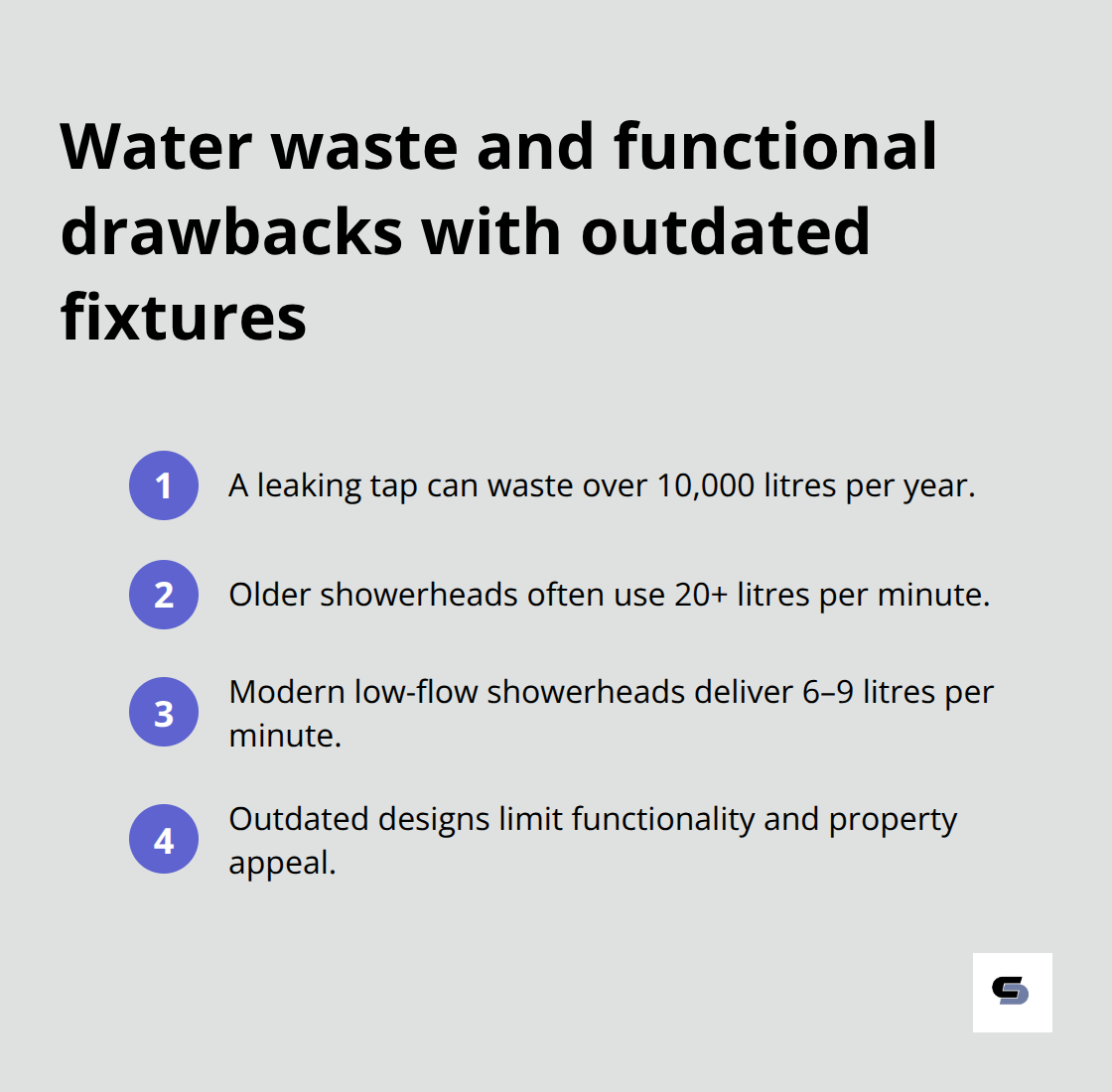
Taps from the 1990s and early 2000s waste water at alarming rates compared to modern alternatives. A single leaking tap can waste over 10,000 litres annually, and old showerheads typically deliver 20+ litres per minute versus modern low-flow versions at 6–9 litres per minute. Beyond inflated water bills, outdated designs limit functionality and property appeal.
Bathrooms with poor layout-cramped vanities, awkward toilet placement, or inadequate storage-frustrate daily routines and signal to buyers that the home has not been maintained. Layout issues often cannot be fixed without structural work, making them a renovation trigger rather than a quick update.
Poor ventilation accelerates deterioration
Bathrooms without adequate exhaust capacity accumulate humidity that promotes mould and deteriorates finishes. If your bathroom mirror fogs for extended periods after showers or condensation appears on windows, ventilation is failing. Moisture-resistant substrates and waterproofing membranes degrade when humidity remains high, accelerating the timeline to structural damage. Licensed waterproofing tradespeople in Melbourne recommend installing exhaust fans with humidity-sensing controls to manage moisture automatically (particularly important in Victoria’s cooler months when condensation risk peaks). Ignoring ventilation deficiencies guarantees that even new tiles and fixtures will fail prematurely.
Moisture also spreads mould spores to adjacent rooms, compromising your home’s air quality and occupant health. Addressing ventilation during renovation is non-negotiable if you want your investment to last 15+ years without hidden moisture problems emerging behind walls. Once you identify these warning signs, the next step involves establishing a realistic budget and selecting the right materials to address them properly.
Planning Your Bathroom Renovation Project
Build a realistic budget with proper contingency
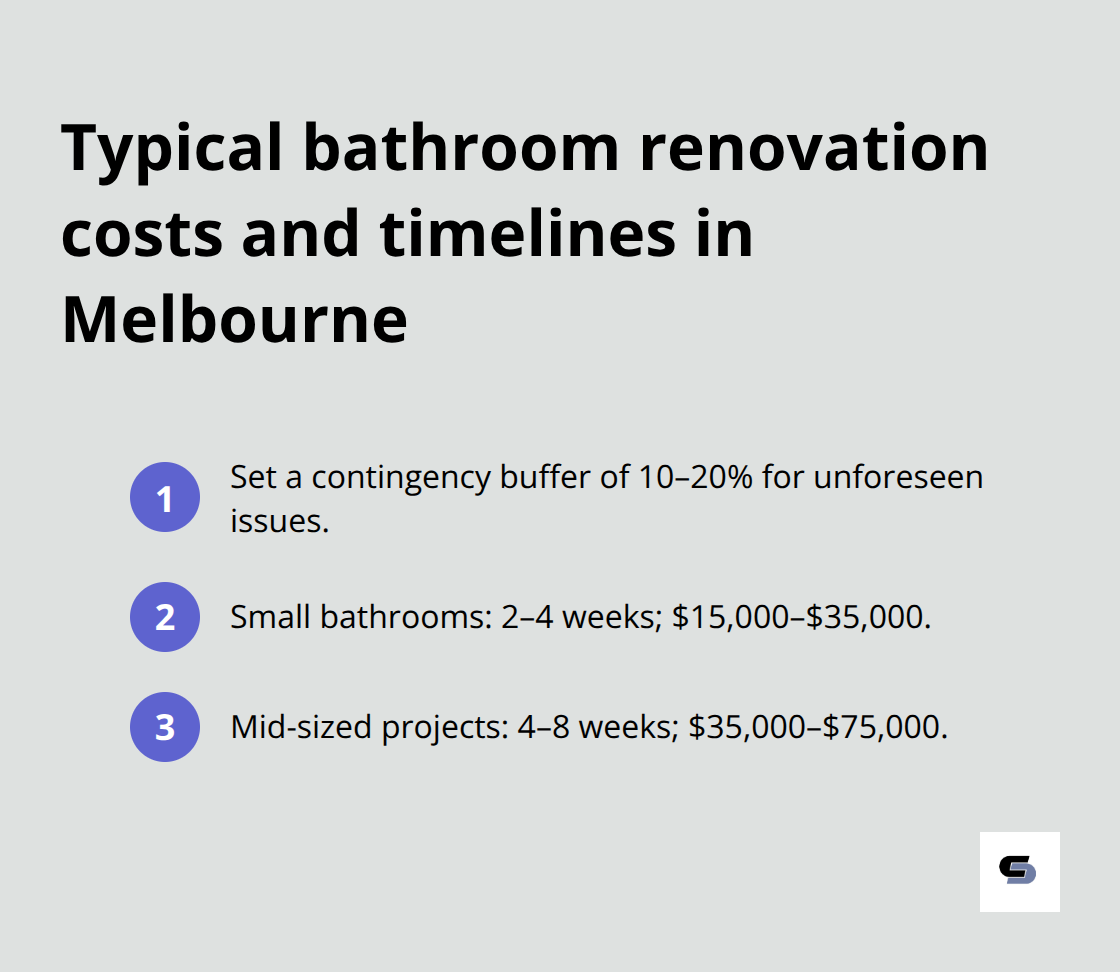
A realistic budget separates successful renovations from projects that stall midway or compromise quality. Structure your budget around three layers: fixed costs (labour, permits, structural work), material costs (tiles, fixtures, finishes), and a contingency buffer of 10–20% for unforeseen issues. Small bathroom renovations typically run 2–4 weeks and cost between $15,000–$35,000, while mid-sized projects spanning 4–8 weeks often reach $35,000–$75,000, depending on whether you relocate plumbing or address water damage behind walls.
The Victorian Building Authority requires permits for most bathroom renovations, and permit fees vary by council but typically add $500–$2,000 to your timeline and budget.
Once you establish your total figure, resist the temptation to cut corners on waterproofing and substrate preparation. These hidden elements determine whether your bathroom lasts 15 years or fails within five. Standards Australia AS 3740 mandates waterproofing membranes in all wet areas, and licensed waterproofing tradespeople charge $2,000–$5,000 depending on bathroom size. Skipping this step guarantees costly remediation later.
Select durable materials over fleeting trends
Material selection should prioritise durability over trend-chasing. Large-format porcelain tiles (60×60 cm or larger) with slip-resistant finishes resist moisture better than small tiles and reduce grout lines where mould accumulates. Matte black or brushed brass fixtures remain popular in Melbourne and won’t look dated in five years, whereas trendy chrome or rose gold finishes often feel stale within 12 months.
Water-efficient fixtures with high WELS ratings cut your water bills immediately. Modern low-flow showerheads deliver 6–9 litres per minute versus older models at 20+ litres per minute, translating to annual savings of thousands of litres per household. Choose vanities and benches in natural stone or engineered quartz rather than laminate; they resist moisture, hide water marks better, and support resale appeal without premium pricing.
Engage licensed builders and design professionals
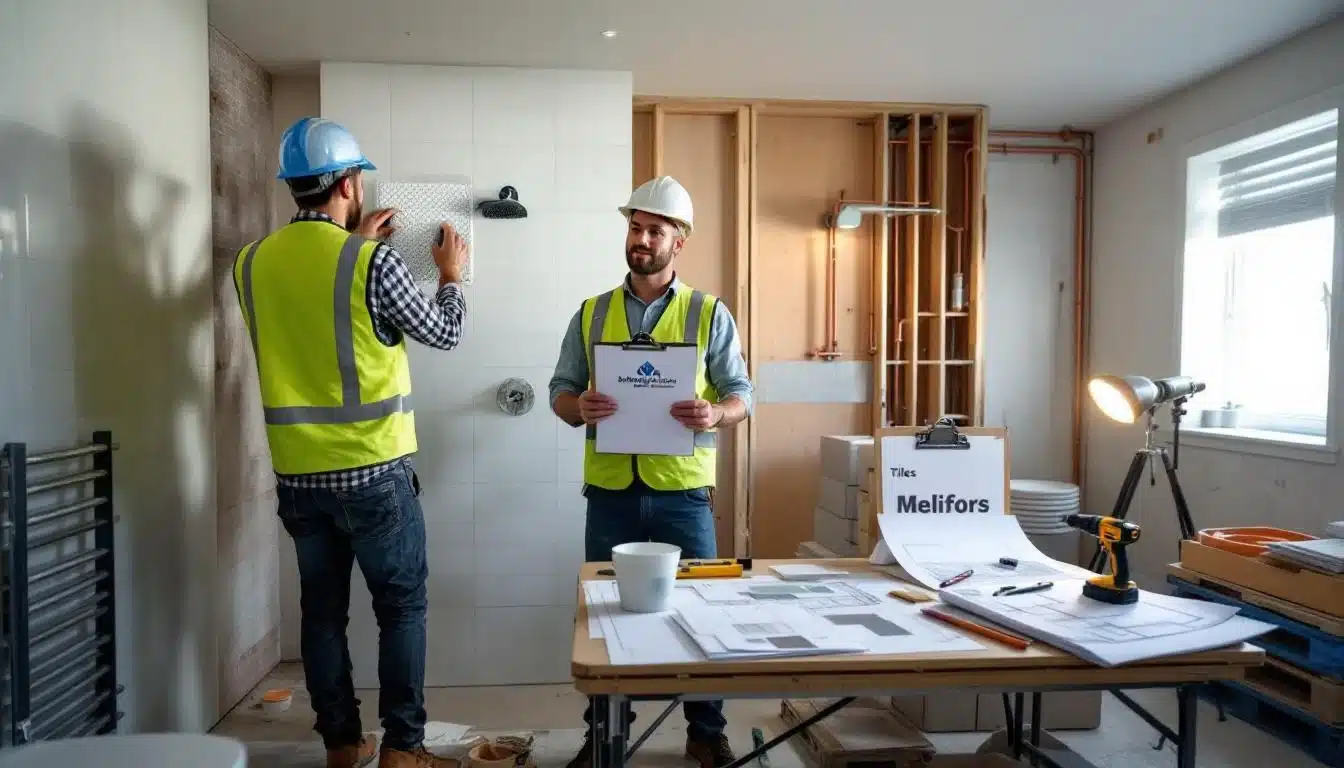
Licensed builders registered with the Victorian Building Authority bring knowledge of current BCA compliance, council-specific permit requirements, and practical solutions that amateur renovators overlook. Your builder should provide a fixed-price contract with a detailed scope, schedule, and formal change-order process so budget surprises don’t derail the project. Ask for references from recent bathroom projects in your suburb-builders who understand Melbourne’s climate, soil conditions, and local council quirks deliver faster timelines and fewer compliance delays.
Private building surveyors (verified through the Building Surveyor Register) inspect critical stages: rough plumbing, waterproofing membrane application, and final completion, catching defects before they become hidden problems. Request written warranties on workmanship (typically 5–10 years) and verify that fixture suppliers provide manufacturer warranties. This clarity prevents disputes if tiles crack or plumbing fails after handover.
Leverage design visualisation and trade coordination
Design professionals should provide 3D renders and virtual walkthroughs before construction starts, allowing you to lock in layouts and finishes without costly mid-project changes. Coordinate your trades carefully: plumbing compliance certificates must be obtained after fixture installation, and drain inspections may be required as part of the approval process. Your builder’s scheduling directly impacts your project timeline and final sign-off. With your budget locked, materials selected, and your team assembled, the next critical phase involves identifying and avoiding the mistakes that derail even well-planned renovations.
Common Bathroom Renovation Mistakes to Avoid
Hidden costs emerge once walls come down
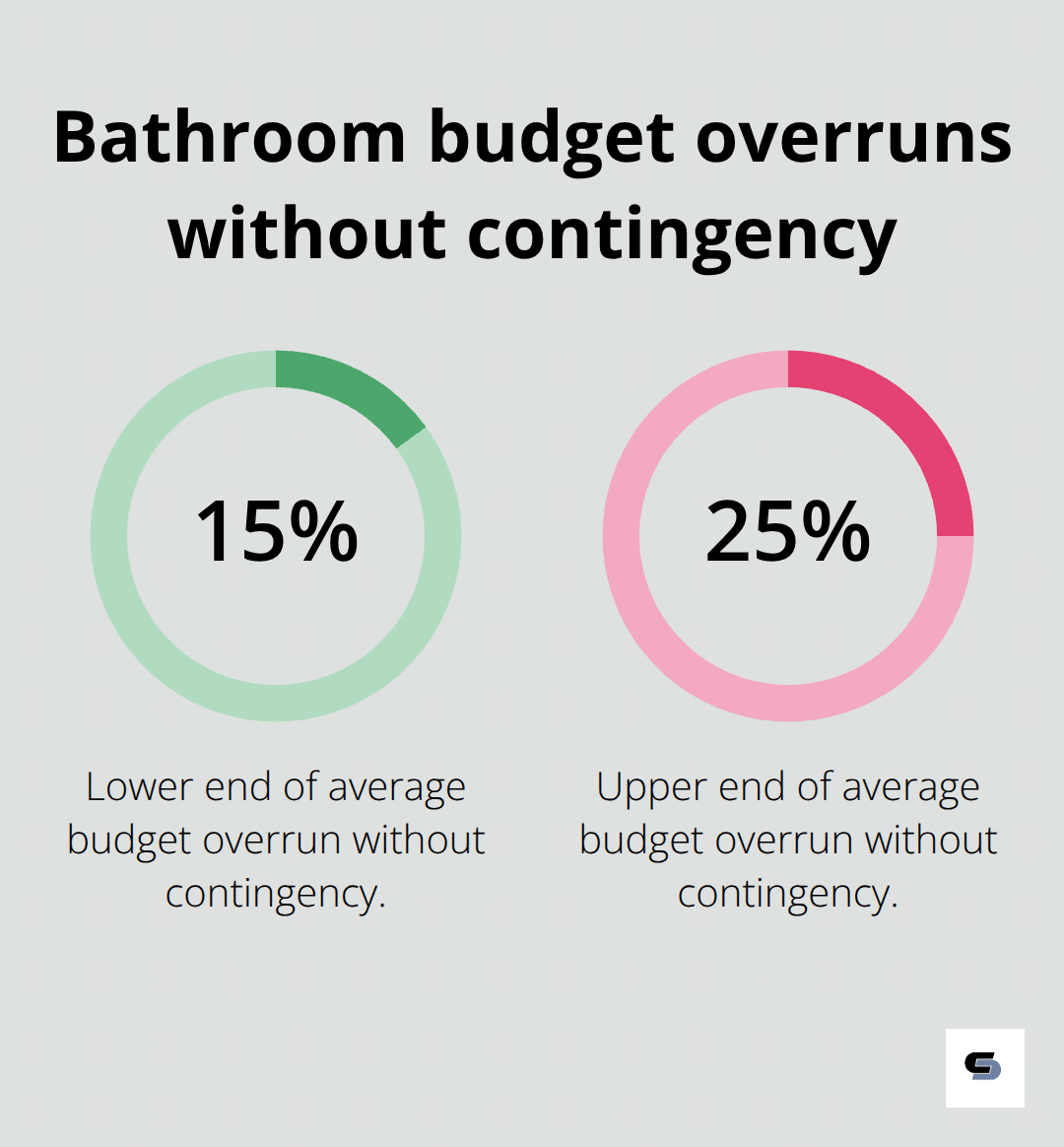
Most bathroom renovation budgets fail not because homeowners are careless, but because they underestimate hidden costs that surface once construction starts. Asbestos sits behind 1980s tiles and requires licensed removal per asbestos.vic.gov.au. Plumbing runs through load-bearing walls and needs rerouting. The substrate beneath tiles is so water-damaged that structural framing must be replaced. The Victorian Building Authority data shows that bathroom projects exceed budget by an average of 15–25% when contingency planning is absent. Your initial 10–20% buffer protects against these realities, but only if you actually set it aside and resist the urge to spend it on premium finishes before construction starts.
Project timelines stretch beyond initial estimates
Project timelines extend for similar reasons. A 4-week bathroom renovation becomes 6 weeks when permit approvals take longer than expected, or your private building surveyor identifies waterproofing defects that demand remedial work before tiling proceeds. Melbourne councils vary in their approval speed-some issue permits within 5 business days, others take 15–20 days-so confirm your local council’s typical timeline before locking in a handover date with your builder. Plumbing compliance certificates must be obtained after fixture installation, and drain inspections may be required as part of the approval process. Your builder’s scheduling directly impacts your project timeline and final sign-off.
Ventilation and waterproofing failures cost thousands to fix
The second critical error involves cutting corners on ventilation and waterproofing because these systems are invisible and feel less urgent than selecting tiles or fixtures. Licensed waterproofing tradespeople in Melbourne consistently report that bathrooms fail prematurely because homeowners or inexperienced builders skip proper substrate preparation or install inadequate exhaust fans. Standards Australia AS 3740 requires waterproofing membranes to extend behind all tiles and around plumbing penetrations, yet some projects use only grout sealant (which fails within 3–5 years) instead of certified membranes. Exhaust fans must match your bathroom size: a 2-square-metre ensuite needs different capacity than a 5-square-metre main bathroom, and humidity-sensing controls add roughly $300–$500 but prevent mould growth that otherwise costs $2,000–$8,000 to remediate.
Trendy aesthetics fade faster than timeless design
Chasing trendy aesthetics over timeless design guarantees your renovation feels dated within five years and reduces resale appeal. Rose gold tapware, pastel wall tiles, and ultra-modern vanities photograph beautifully but fade from fashion quickly, whereas matte black fixtures, large-format porcelain tiles in neutral tones, and natural stone benches remain desirable across market cycles. Your bathroom should reflect your personal style, but anchor decisions in materials and finishes that retain value-porcelain outlasts ceramic for durability, quartz resists stains better than natural stone, and neutral colour palettes expand perceived space in smaller bathrooms while appealing to future buyers if you eventually sell.
Final Thoughts
A successful bathroom renovation rests on three foundations: realistic budgeting that includes contingency for hidden costs, material choices that prioritise durability over fleeting trends, and engagement with licensed professionals who understand Melbourne’s building codes and council requirements. Bathroom builders Melbourne understand the specific challenges your home faces, from soil conditions to local approval timelines to climate-driven moisture risks. Your private building surveyor inspects critical stages and verifies that waterproofing membranes, plumbing installations, and ventilation systems meet Standards Australia requirements, preventing costly remediation after handover.
The mistakes outlined earlier-underestimating timelines, skipping waterproofing and ventilation, and chasing temporary aesthetics-are entirely preventable when you plan methodically and refuse to compromise on the systems that determine whether your bathroom functions flawlessly for 15 years or deteriorates within five. A licensed builder coordinates trades efficiently, secures necessary compliance certificates, and catches defects before they become hidden problems. This oversight protects your investment and eliminates the stress of managing multiple contractors and compliance requirements yourself.
Contact Cameron Construction to discuss your bathroom renovation and transform your space into one that works as hard as it looks. We manage everything from concept through completion, including planning approvals and BCA compliance, so you don’t have to navigate the complexity alone. Reach out today to start your project.