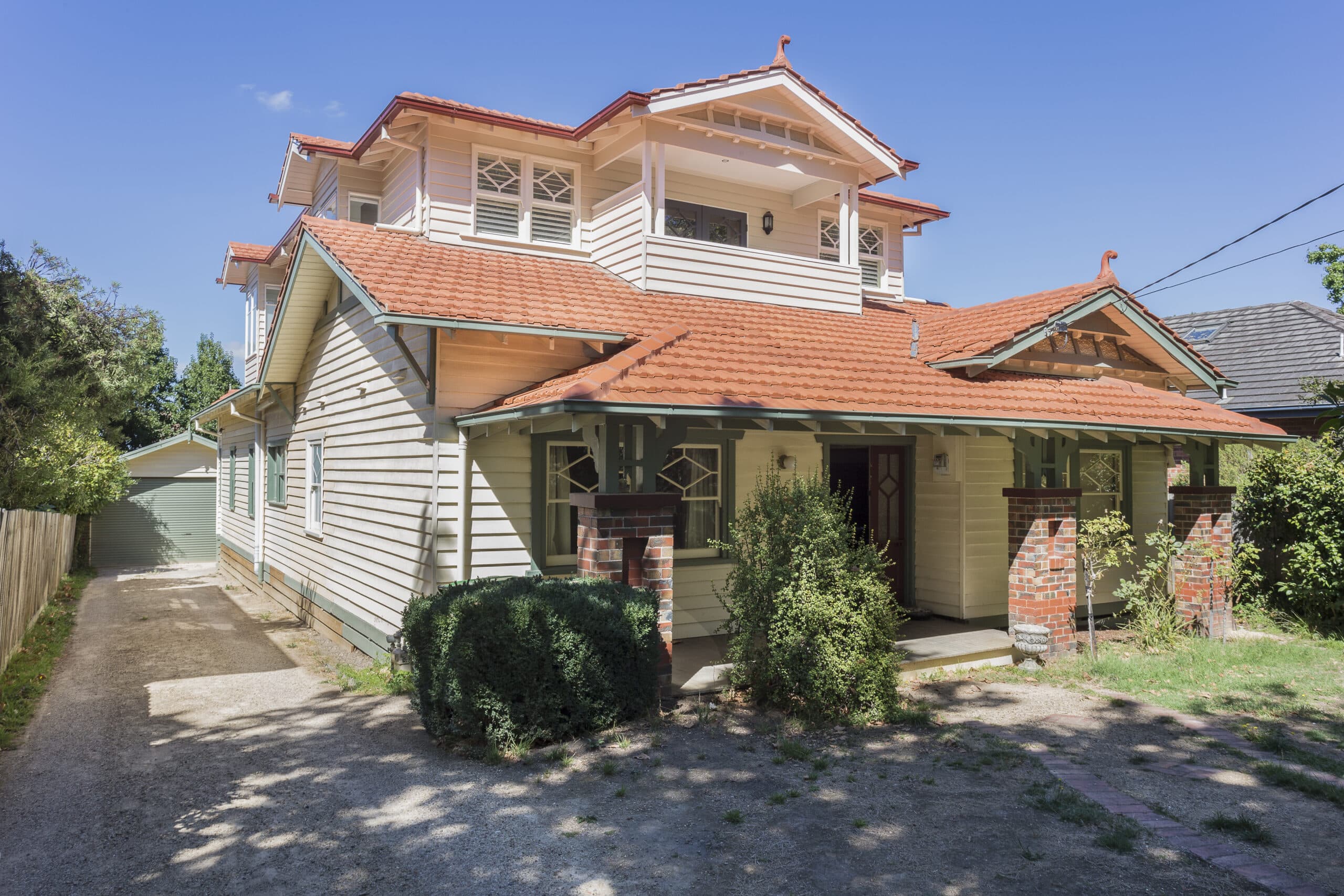
Heritage-listed in Victoria? A practical guide to renovating and extending under the State Heritage Register
Owning a heritage-listed home in Victoria means more than just preserving its character—it means navigating the rules that protect it. The State Heritage Register Victoria sets clear guidelines for renovations and extensions, often causing confusion about approvals and overlays. This guide breaks down what you need to know, from understanding the Victorian Heritage Register to managing permits and working with experts like Cameron Construction for smooth, compliant projects.
For those interested in undertaking a heritage home renovation in Melbourne, it’s important to consider not only the aesthetic improvements but also how to enhance liveability while preserving the property’s historical essence.
Understanding Heritage Listings
Understanding the intricacies of heritage listings is vital for any renovation or extension project. Let’s explore the differences between state and local listings and their impact on your plans.
State vs Local Heritage Listings
State heritage listings, as outlined in the State Heritage Register Victoria, are typically reserved for properties of significant historical importance. These listings come with stringent rules that can affect what changes you can make. Local heritage overlays, managed by councils, often cover broader areas and focus on preserving community character. If your home is on the Victorian Heritage Register, you’ll need to navigate these layers of oversight—each with its own approval process. Understanding what applies to your property is the first step in planning your project.
Impacts on Renovations and Extensions
Renovating or extending a heritage-listed home means more than just picking up a hammer. If your property is on the Victorian Heritage Register, modifications must align with heritage guidelines to preserve historical integrity. This might mean maintaining original facades or using period-appropriate materials. Local overlays might restrict design changes that alter streetscapes. While this may sound daunting, it’s an opportunity to blend modern comforts with classic charm. With the right guidance, you can achieve a beautiful balance between preservation and innovation.
Navigating Approval Pathways
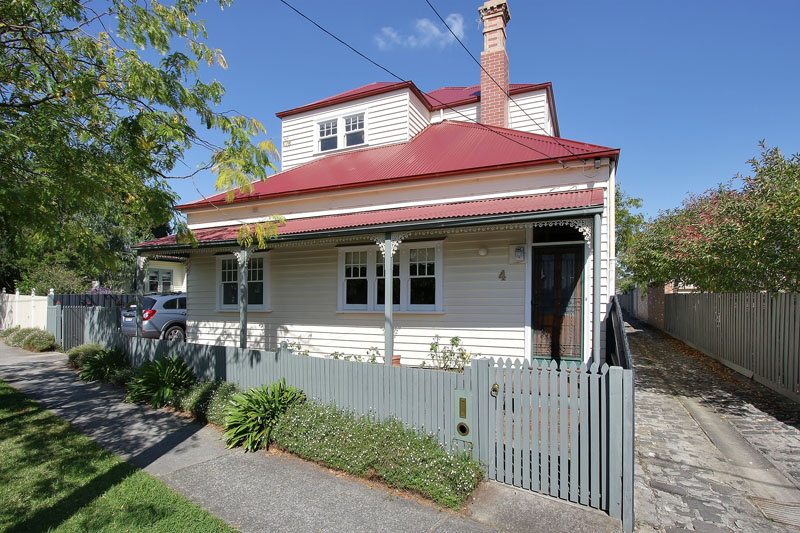
Navigating the approval pathways can be a complex journey. Understanding the process for securing permits and managing local overlays is crucial for a successful project.
Securing a Heritage Victoria Permit
To make changes to a registered property, you’ll need a Heritage Victoria permit. This process involves submitting detailed plans that demonstrate how your project preserves heritage values. Expect thorough assessments and possibly some revisions before approval. The key is to show a thoughtful approach to conservation while meeting your needs. Working with experts familiar with this process can streamline the application, helping you avoid common pitfalls and move forward with confidence.
Managing Local Council Heritage Overlays
Council heritage overlays add another layer of consideration. These are designed to protect neighbourhood ambience and often require a planning permit. Engage early with your local council to understand specific requirements for your area. Some councils provide pre-application meetings to discuss your plans. This proactive step can reveal potential challenges and allow you to adjust designs early. Remember, local overlays often focus on visual aspects, so how your renovation appears from the street matters.
Cameron Construction’s Approach
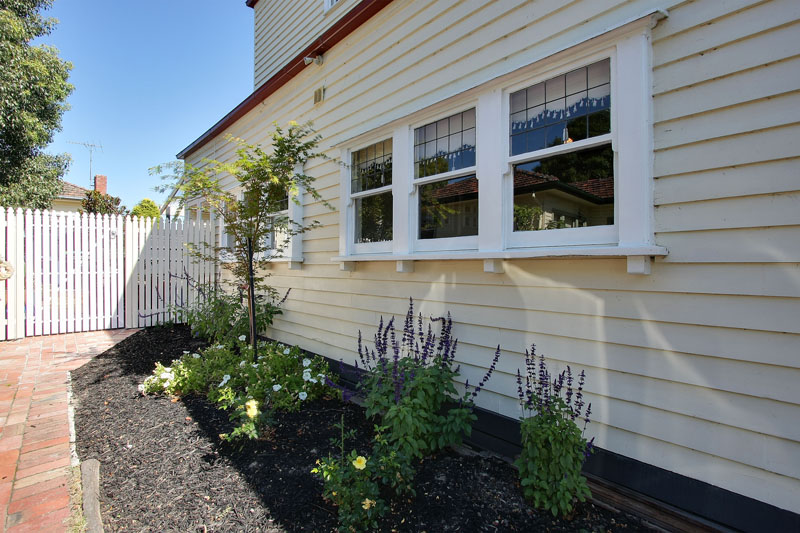
Cameron Construction offers a comprehensive approach to managing heritage renovations. By integrating design and build services, they simplify the process while ensuring compliance.
Integrated Design and Build Melbourne
Cameron Construction combines design, drafting, and construction under one roof, making projects more manageable. Their team works closely with you from the outset, ensuring that your vision aligns with heritage requirements. This integrated approach prevents delays and miscommunications, providing a smoother experience. They focus on crafting solutions that respect your home’s character while enhancing functionality—turning constraints into opportunities for creativity.
Working with Heritage Consultants Melbourne
Engaging with experienced heritage consultants can make a significant difference. Cameron Construction collaborates with specialists to ensure that every aspect of your project meets regulatory standards. These consultants bring a wealth of knowledge about historical architecture and compliance nuances. Their input helps tailor designs that satisfy both your desires and heritage obligations. By partnering with experts, you gain peace of mind knowing your project respects the past while embracing the future.
Frequently Asked Questions
What is the difference between state and local heritage listings?
State listings are for properties of significant historical importance and come with stringent rules. Local overlays protect broader areas and community character, applying different levels of restriction.
How do I secure a Heritage Victoria permit?
Submit detailed plans showing how your project preserves heritage values. This involves assessments and potential revisions to demonstrate a thoughtful conservation approach.
What are local council heritage overlays?
These overlays protect neighbourhood character and often require a planning permit. They focus on visual aspects and how renovations affect streetscapes. Engaging early with your council can reveal specific requirements and challenges.